Catalytic Carbon Filter: Breaks Chloramine Bonds Effectively
By Samira Khan • 11th Dec
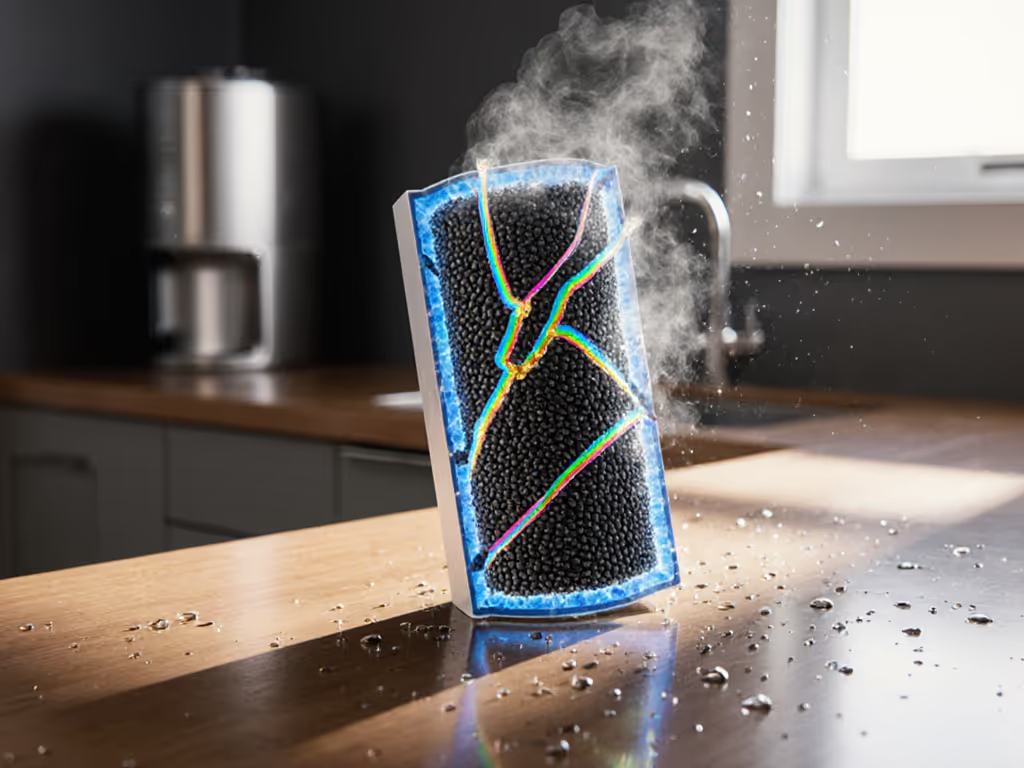
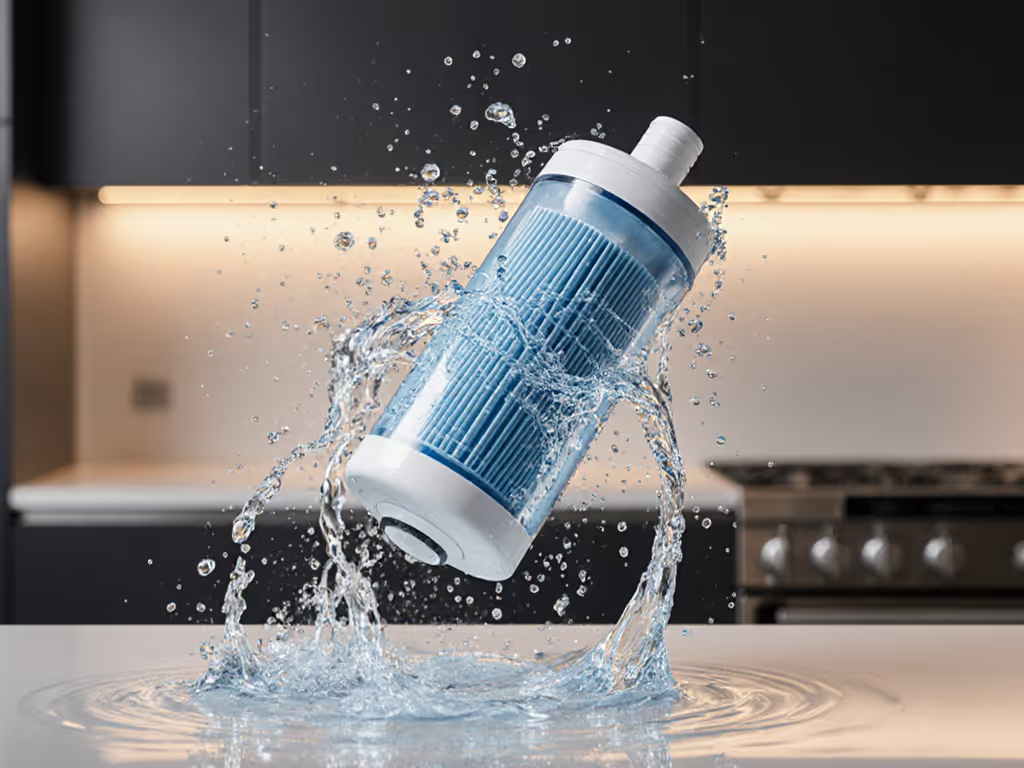
If you're dealing with municipal water treatment that uses chloramine instead of chlorine, you've likely discovered standard filters fall short. That's where a catalytic carbon filter becomes essential for proper chloramine removal. Unlike basic carbon filters, this specialized media actually breaks the chemical bonds that make chloramine so stubborn. Let's cut through the marketing noise with simple math and realistic planning (because the best filter is the one you can maintain sustainably).
Why Standard Filters Fail Against Chloramine
When your city switched from chlorine to chloramine (a more stable disinfectant), most filtration systems became partially ineffective overnight. Here's why:
- Standard activated carbon removes 40-50% of chloramine at best
- Chloramine's molecular stability prevents ordinary carbon from breaking it down
- Many filters marketed as "chlorine removers" don't address chloramine at all
I learned this the hard way during my daughter's infancy, pricing bottled water for formula until I realized our tap water (treated with chloramine) needed specialized media. A simple calculator comparing bottled water costs to potential filtration set me on the right path. See our bottled water vs filtered analysis for environmental and cost comparisons. When you're safeguarding your family's water, guesswork isn't an option.
#1: The Science Behind Catalytic Carbon's Superior Performance
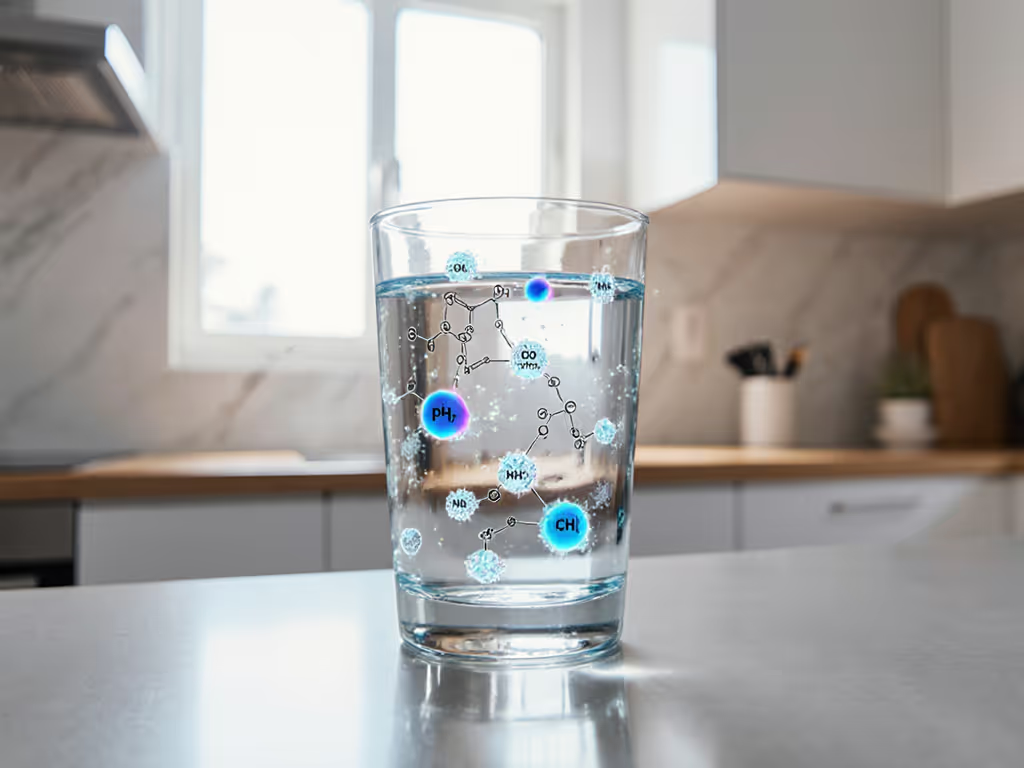
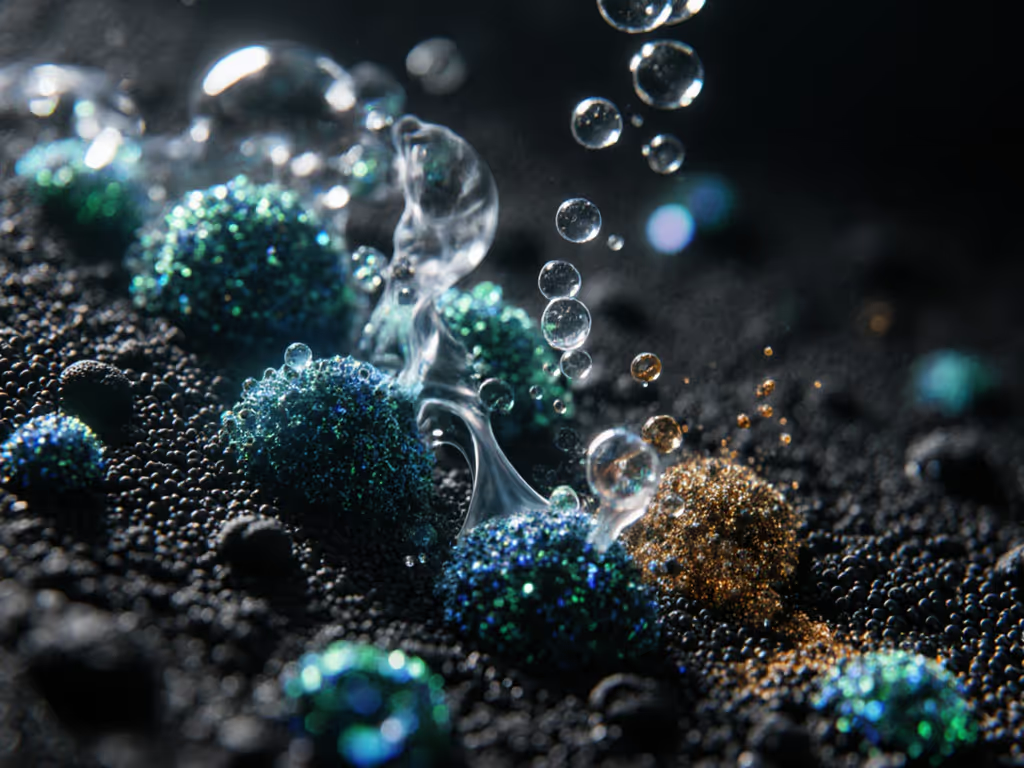
Catalytic carbon undergoes special thermal and chemical treatment that alters its surface structure. This creates reactive sites that actively break chloramine bonds through catalysis:
- Chloramine (NH₂Cl) contacts the catalytic carbon surface
- The carbon catalyzes the breakdown into chlorine and ammonia
- Ammonia conversion occurs through adsorption onto the carbon
- Both byproducts get captured within the filter media
This process achieves 95-99% removal rates, significantly higher than standard carbon's 40-50%. The key difference? Catalytic carbon doesn't just adsorb chloramine; it chemically transforms it. This is why simply buying "the best carbon water filter" system won't guarantee results; you need specifically treated catalytic media. If you’re comparing technologies, our activated carbon vs RO guide explains where catalytic carbon fits.
#2: Performance Metrics That Actually Matter
Don't be fooled by marketing claims. For reliable chloramine removal, verify these specifications:
- NSF/ANSI Standard 143 certification: Specifically tests chloramine reduction
- Minimum 10-minute contact time: Chloramine requires slower flow rates than chlorine
- Capacity measured in gallons treated: Not just time-based (e.g., 6 months)
- Tested at actual household flow rates: Not laboratory ideal conditions
Most municipal water treatment plants maintain 2-4 ppm chloramine levels. Not sure what certifications mean? Start with our NSF 42 vs 53 explainer to understand what each standard guarantees and how chloramine-specific testing compares. At a typical 2.5 gpm flow rate, you need at least 10 inches of catalytic carbon depth to achieve proper contact time. Systems skimping on media volume may show initial success but fail as water demand increases.
#3: Total Cost Analysis: The Sustainable Approach
Let's run the numbers for a family of four using 300 gallons monthly:
| Filter Type | Initial Cost | Annual Media Cost | Cost Per Gallon | Waste Water |
|---|---|---|---|---|
| Bottled Water | $0 | $360-$600 | $0.04-$0.07 | Plastic bottles |
| Pitcher Filter | $30 | $120-$180 | $0.01-$0.015 | Short cartridge life |
| Standard Carbon | $100 | $80-$120 | $0.006-$0.009 | Partial removal |
| Catalytic Carbon | $150 | $60-$100 | $0.005-$0.008 | Complete removal |
Assumptions: $0.30/bottle (8oz), pitcher cartridges every 2 months, standard carbon annual replacement, catalytic carbon lasts 12-18 months depending on water quality.
Notice how the most effective solution also delivers the lowest cost-per-gallon? That's no accident. It is why I always say: Spend on media that works, not on pretty housings. Budget ranges matter most when you're planning for your child's health or dealing with aging infrastructure.
#4: System Integration: Where Placement Matters Most
Catalytic carbon works best when positioned correctly in your filtration sequence:
- Before reverse osmosis membranes: Chloramine destroys RO membranes over time
- After sediment pre-filters: Prevents premature clogging of expensive catalytic media
- Before standard carbon stages: Captures residual chlorine/ammonia byproducts
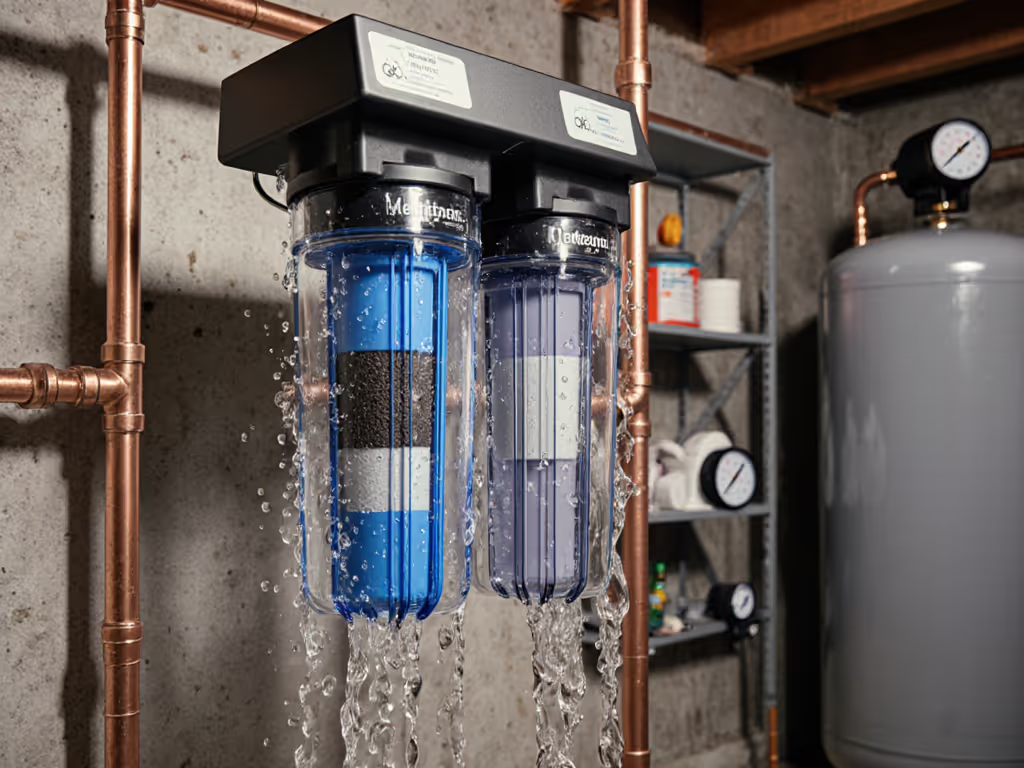
For point-of-use systems (under sink), a single catalytic carbon stage often suffices. Whole-home systems require larger capacity units with proper flow management. Renters can use countertop models with dedicated catalytic cartridges (no plumbing required).
Chemical-free filtration doesn't mean no maintenance. Even catalytic carbon exhausts eventually as active sites get saturated. Monitor your water's chlorine taste as a simple indicator: returning chemical taste means it's time to replace media. For data on when media begins to fail, see our filter performance decay tests.
#5: Realistic Maintenance Planning
Stop playing guessing games with replacement schedules. Base your maintenance intervals on actual water usage:
- Calculate daily household water consumption
- Find your filter's rated capacity (e.g., 10,000 gallons)
- Divide capacity by daily usage = replacement interval in days
Example: 10,000-gallon filter ÷ 300 gallons/day = 33 days
Set calendar reminders at 80% of calculated capacity. Most catalytic carbon filters last 12-18 months for average households. That is significantly longer than standard carbon filters that require 3-6 month replacements when dealing with chloramine.
#6: Making the Sustainable Choice
As a parent who's been where you are, I know the anxiety of not knowing what's in your water. But panic leads to poor decisions, like overpaying for systems that don't address your actual contaminants. The solution isn't complexity; it's clarity.
Look for catalytic carbon filters with:
- Third-party certification documents (not just claims)
- Clear capacity ratings in gallons treated
- Modular designs using standard cartridge sizes
- Transparent replacement cost calculations
Remember when I mentioned our formula water calculation? That simple math transformed our approach from fear to confidence. Your water deserves the same thoughtful consideration.
Take Action Today
- Check your water quality report for chloramine levels (search '[Your City] + CCR') Use our CCR interpretation guide to quickly find chloramine and ammonia data.
- Calculate your household usage using your water bill
- Compare true cost-per-gallon across certified options
Let's run the numbers for your specific situation (because sustainable protection starts with realistic planning, not marketing promises). When you choose a catalytic carbon filter system you can maintain long-term, you're not just removing contaminants; you're building peace of mind one gallon at a time.
Related Articles