How to Use Energy Performance Certificate Data to Choose the Best Water Filter for Your Home
By Lina Petrov • 25th Oct
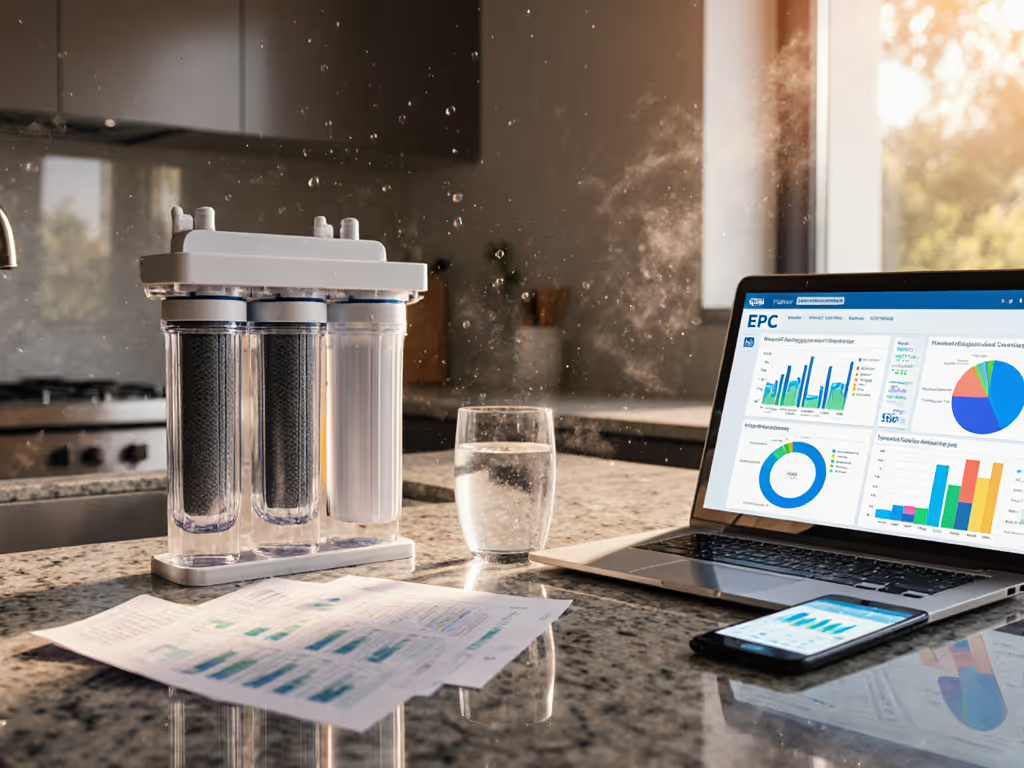
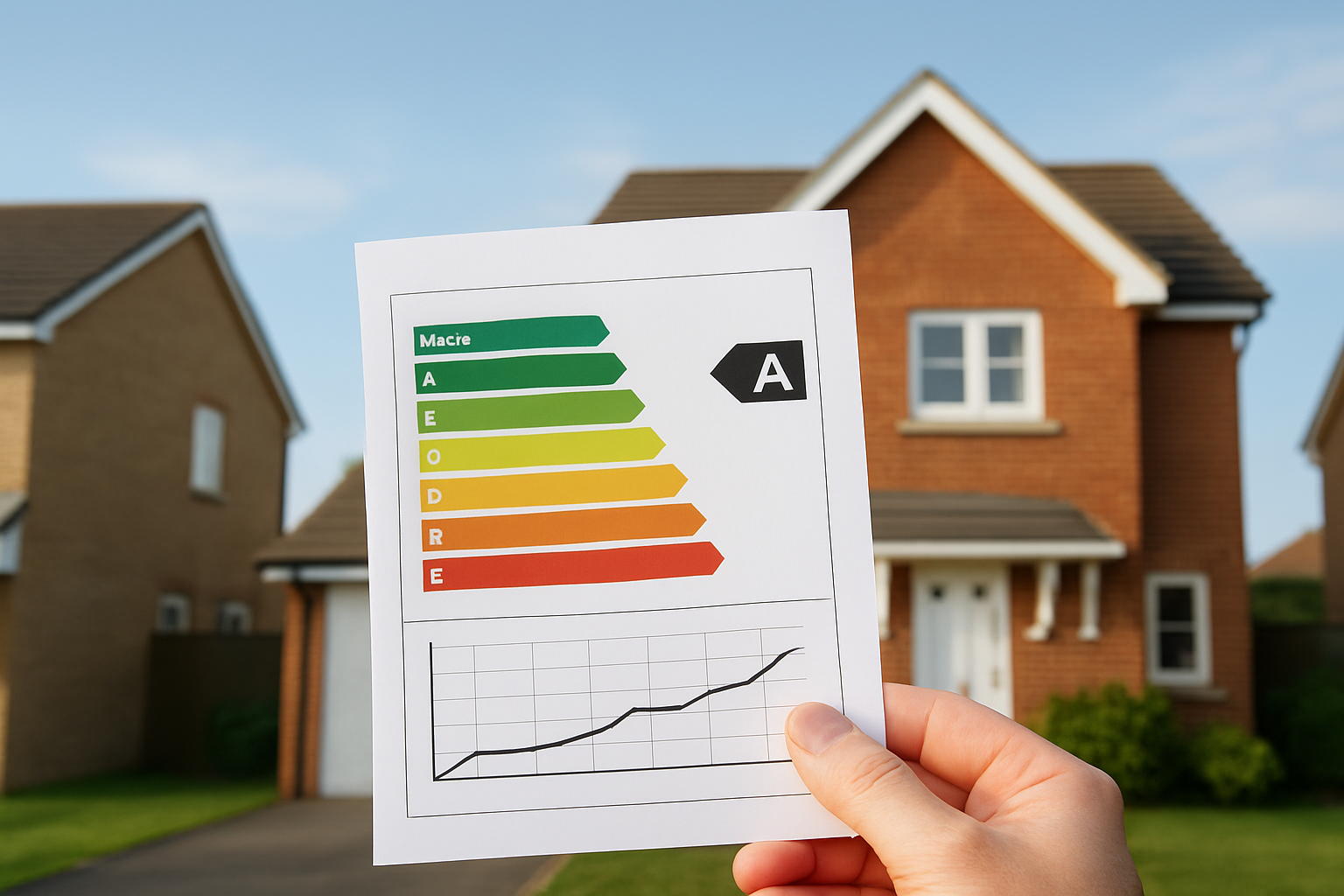
What does energy performance certificate data have to do with cleaner, safer drinking water? More than you might think. While an Energy Performance Certificate (EPC) [Energy Performance Certificate] does not test your tap, it does reveal how your home uses energy, how systems are configured, and how upgrades might reduce waste. Those clues can guide smarter water filtration choices that fit your infrastructure, your sustainability goals, and your budget. In this guide, we connect building efficiency insights to water treatment decisions, so you can select filters that actually solve your specific problems and avoid costly overkill. Along the way, we will translate certifications, compare technologies, and outline a clear workflow from address to shortlist.
Clean Water, Less Waste is built for this intersection of data and daily life. The website specializes in providing personalized water filter recommendations and analysis of certified filtration options that minimize cost and waste while maintaining high performance. By compiling certification-based product information and offering personalized water filter recommendations, the website enables users to compare filters on factors like certified contaminant reduction claims, capacity, maintenance, and long-term waste footprint. If you have ever been overwhelmed by conflicting claims, you will find the combination of building context and certifications to be a refreshingly objective way to choose well.
Why Energy Performance Certificate Data Belongs in Your Water Filter Decision
Energy Performance Certificate data may seem far removed from water quality, yet it frames three critical realities: how much hot water you use, how efficiently you heat it, and where inefficiencies stem from. For instance, homes noted for poor insulation or inefficient hot water systems in the Energy Performance Certificate [Energy Performance Certificate] often pay a hidden cost when mineral scale forms on heaters and heat exchangers. Hard water scale acts like a thermal blanket, reducing heat transfer and increasing energy bills. Learn how hard water affects appliances and energy costs in our in-depth guide. While your local water report or a lab test confirms hardness, the Energy Performance Certificate [Energy Performance Certificate] flags the energy stakes, nudging you toward anti-scale treatment or softening to preserve efficiency.
In addition, Energy Performance Certificate data highlights ventilation, age of construction, and system types that influence where filters can live and how often you will service them. An older property with limited under-sink space might favor a compact carbon block, whereas a family home with high demand and a combi boiler may benefit from whole-house sediment and scale control ahead of a drinking water unit. Because the Energy Performance Certificate [Energy Performance Certificate] summarizes building fabric and systems, it helps you balance performance, installation feasibility, and long-term sustainability, especially if you are trying to reduce waste without sacrificing water quality.
From Energy Performance Certificate Data to Tap Water Clues: What to Look For
Start by scanning your Energy Performance Certificate [Energy Performance Certificate] for water-heating systems, cylinder or combi details, and energy-saving recommendations. Do you see suggestions tied to hot water efficiency or pipe insulation? If so, hardness and scale control become practical priorities, because mineral buildup undermines those improvements. Next, consider property age and materials. Older homes may retain lead solder or galvanized lines, raising the stakes for certified lead reduction at the point of use. See our NSF 53-certified lead filter picks for older homes for targeted solutions. Likewise, Energy Performance Certificate [Energy Performance Certificate] notes about ventilation or airtightness hint at the risk-benefit balance of under-sink ultraviolet disinfection systems that produce heat and need airflow, or low-waste configurations in tight kitchens.
Watch This Helpful Video
To help you better understand energy performance certificate data, we've included this informative video from ESCI - European Science Communication Institute. It provides valuable insights and visual demonstrations that complement the written content.
At the same time, recognize what Energy Performance Certificate data is not. It is not a substitute for source water information. Pair your Energy Performance Certificate [Energy Performance Certificate] with one or more of the following: your supplier’s Consumer Confidence Report from the United States Environmental Protection Agency (EPA) [United States Environmental Protection Agency], a local authority water quality summary in the United Kingdom (UK) [United Kingdom], private lab testing for private wells, or in-home test kits for screening hardness, total dissolved solids (TDS) [total dissolved solids], and metals. Think of the Energy Performance Certificate [Energy Performance Certificate] as the home context layer and the water report as the chemistry layer. If you're on municipal water, learn how to read your Consumer Confidence Report with our CCR interpretation guide. Together, they illuminate both the why and the how of filtration.
Energy Performance Certificate Data and Your Filter Shortlist: The Practical Link
How does this context concretely change your shortlist? Imagine an Energy Performance Certificate [Energy Performance Certificate] that cites inefficient hot water equipment and frequent recommendations to insulate cylinders. This profile suggests the economic value of scale control to protect heaters and appliances. Rather than jumping straight to an all-in-one system, you might use a whole-house sediment prefilter and a scale inhibitor upstream to protect energy assets, then add a certified drinking water system under the sink for targeted contaminants. Conversely, a flat with limited space and an efficient combi heater may be better served by an under-sink carbon block certified for lead and chlorine taste and odor, plus a compact anti-scale cartridge on the line feeding the heater.
The key is to align the building’s energy profile with water quality goals and serviceability. If Energy Performance Certificate data shows high household occupancy or large hot water demand, select higher-capacity cartridges or a reverse osmosis (RO) [reverse osmosis] unit with a larger storage tank and a permeate pump to cut reject water. If the property is airtight with limited ventilation, consider whether ultraviolet (UV) [ultraviolet] disinfection is necessary or whether a certified mechanical barrier, such as submicron carbon block for cysts, suffices. This is where Clean Water, Less Waste shines by translating all those signals into personalized filtration recommendations that reflect both performance and practicality.
Certifications Demystified: NSF 42 vs 53, 58, 401, and More
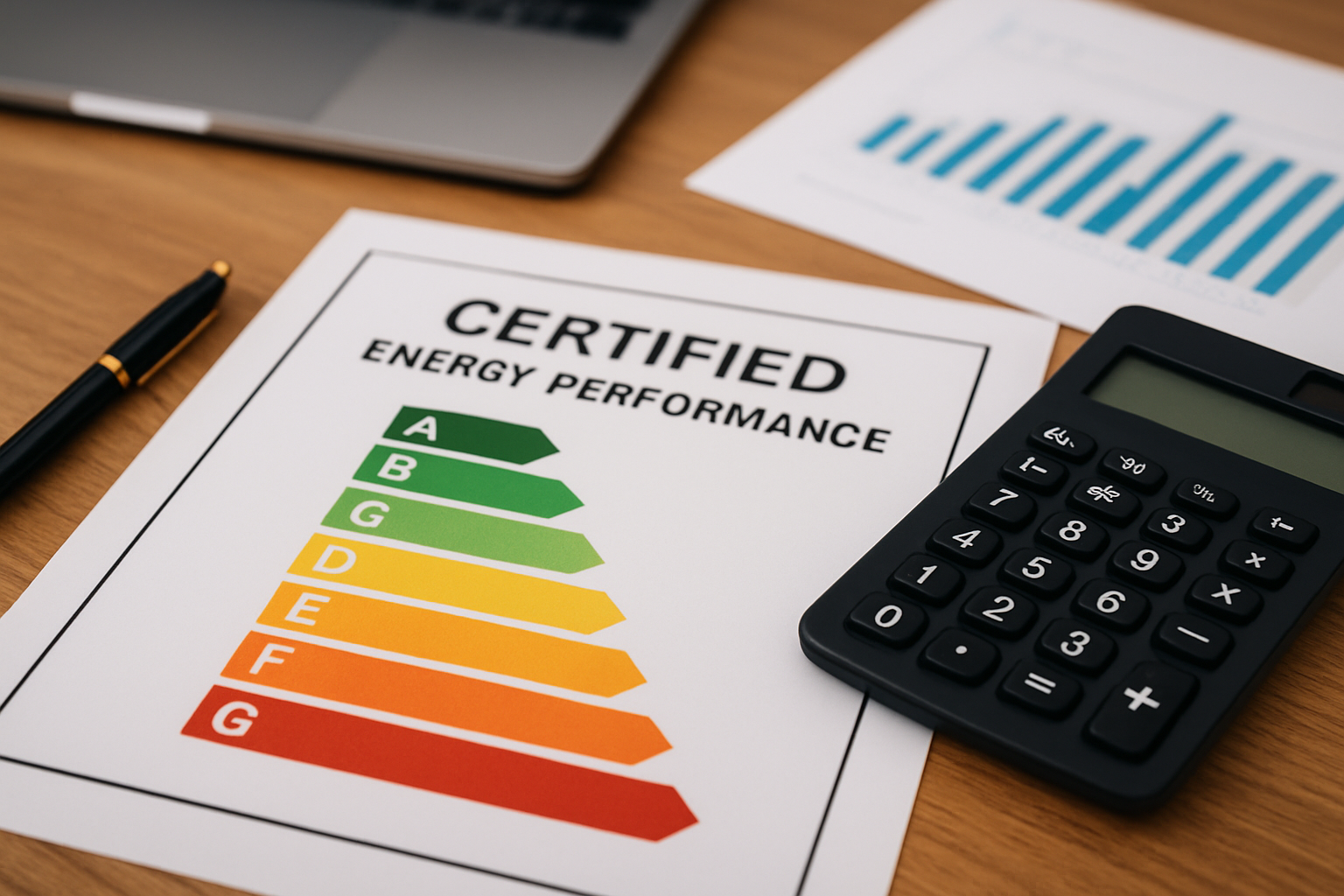
When you compare filters, certification clarity is your north star. Start with our primer on NSF 42 vs 53 and other standards to match claims to your contaminants. National Sanitation Foundation (NSF) / American National Standards Institute (ANSI) [National Sanitation Foundation / American National Standards Institute] Standard 42 covers aesthetic effects such as chlorine, taste, odor, and particulate. National Sanitation Foundation (NSF) / American National Standards Institute (ANSI) [National Sanitation Foundation / American National Standards Institute] Standard 53 covers health effects, including lead, volatile organic compounds (VOC) [volatile organic compounds], and cysts. National Sanitation Foundation (NSF) / American National Standards Institute (ANSI) [National Sanitation Foundation / American National Standards Institute] Standard 58 covers reverse osmosis performance, including total dissolved solids (TDS) [total dissolved solids] reduction and certain heavy metals. National Sanitation Foundation (NSF) / American National Standards Institute (ANSI) [National Sanitation Foundation / American National Standards Institute] Standard 401 targets emerging contaminants like select pharmaceuticals and chemicals. National Sanitation Foundation (NSF) / American National Standards Institute (ANSI) [National Sanitation Foundation / American National Standards Institute] Standard 55 classifies ultraviolet (UV) [ultraviolet] disinfection systems, while National Sanitation Foundation (NSF) Protocol P231 [National Sanitation Foundation] addresses microbiological purifiers.
Why does this matter? Because verified claims save you from guesswork and greenwashing. For example, if your lab test shows lead, you need a filter certified to National Sanitation Foundation (NSF) / American National Standards Institute (ANSI) [National Sanitation Foundation / American National Standards Institute] Standard 53 for lead reduction, not just a marketing line about heavy metals. If your priority is per- and polyfluoroalkyl substances (PFAS) [per- and polyfluoroalkyl substances], look for explicit listings under National Sanitation Foundation (NSF) / American National Standards Institute (ANSI) [National Sanitation Foundation / American National Standards Institute] Standard 53 or reverse osmosis under National Sanitation Foundation (NSF) / American National Standards Institute (ANSI) [National Sanitation Foundation / American National Standards Institute] Standard 58, and confirm which PFAS compounds are included. Clean Water, Less Waste publishes certified product reviews with clear National Sanitation Foundation (NSF) / American National Standards Institute (ANSI) [National Sanitation Foundation / American National Standards Institute] listings, side-by-side comparisons, and plain-language explanations, including how Standard 42 differs from 53 so you can purchase against verified outcomes.
Contaminants, Treatment Technologies, and Relevant Certification Standards
| Contaminant or Concern | Typical Technology | Relevant National Sanitation Foundation (NSF) / American National Standards Institute (ANSI) Standard | Notes |
|---|---|---|---|
| Chlorine taste and odor | Granular activated carbon (GAC) [granular activated carbon] or carbon block | NSF/ANSI 42 [National Sanitation Foundation / American National Standards Institute] | Improves aesthetics, not health risks alone |
| Lead | Carbon block or reverse osmosis (RO) [reverse osmosis] | NSF/ANSI 53 or NSF/ANSI 58 [National Sanitation Foundation / American National Standards Institute] | Look for explicit lead listings |
| PFAS [per- and polyfluoroalkyl substances] | Advanced carbon block or reverse osmosis (RO) [reverse osmosis] | NSF/ANSI 53 and/or NSF/ANSI 58 [National Sanitation Foundation / American National Standards Institute] | Confirm which PFAS compounds are certified |
| Cysts such as Cryptosporidium | Submicron carbon block or microfiltration | NSF/ANSI 53 [National Sanitation Foundation / American National Standards Institute] | Health effects claim with specified log reduction |
| Emerging compounds | Specialty media or reverse osmosis (RO) [reverse osmosis] | NSF/ANSI 401 [National Sanitation Foundation / American National Standards Institute] | Includes select pharmaceuticals and chemicals |
| Microbial pathogens in untreated sources | Ultraviolet (UV) [ultraviolet] disinfection or microbiological purifier | NSF/ANSI 55 or NSF P231 [National Sanitation Foundation / American National Standards Institute; National Sanitation Foundation] | For private wells or compromised supplies |
| Nitrate or total dissolved solids (TDS) [total dissolved solids] | Reverse osmosis (RO) [reverse osmosis] | NSF/ANSI 58 [National Sanitation Foundation / American National Standards Institute] | Check rated daily production and recovery |
Size, Cost, and Waste: Balance Performance With Footprint
Sustainability does not stop at the faucet. A smart choice considers lifetime cost and waste, not just sticker price. Compare ongoing expenses across brands in our filter replacement cost breakdown. Energy Performance Certificate data, by highlighting energy inefficiencies, often aligns with reducing water treatment waste too. For example, if your Energy Performance Certificate [Energy Performance Certificate] points to high energy bills, a reverse osmosis (RO) [reverse osmosis] unit with a permeate pump and efficient membrane can lower reject water and reduce energy used for hot water that would otherwise be wasted down the drain. Likewise, larger carbon cartridges last longer, reducing trips to the bin and transportation emissions. The goal is a high-performing filter with minimal replacements and a sensible maintenance rhythm that fits your household’s demand pattern.
Clean Water, Less Waste evaluates both performance and environmental footprint. Reviews include capacity, service intervals, and estimated annual waste, expressed as number of cartridges and, where relevant, reverse osmosis (RO) [reverse osmosis] concentrate. The site’s side-by-side comparisons make it easy to see when a compact unit becomes expensive in filters versus a slightly larger system that runs cleaner for longer. If you are on a private well, the website’s guides add prefiltration advice to protect downstream cartridges, further cutting waste. Because the Energy Performance Certificate [Energy Performance Certificate] already primes you to think in efficiency terms, it is a natural step to choose filtration solutions that sip resources rather than gulp them.
Common Household Filter Formats Compared
| Format | Typical Use | Service Life | Annual Cost Range | Waste Footprint |
|---|---|---|---|---|
| Pitcher with carbon | Basic chlorine, taste, odor | 4 to 8 weeks per cartridge | Low to moderate | Several small cartridges per year |
| Under-sink carbon block | Lead, chlorine, VOC [volatile organic compounds], cysts | 6 to 12 months per cartridge | Moderate | 1 to 2 larger cartridges per year |
| Reverse osmosis (RO) [reverse osmosis] system | Broad reduction including TDS [total dissolved solids] | 6 to 24 months for prefilters, 2 to 5 years for membrane | Moderate to high | Few cartridges plus concentrated reject water |
| Whole-house sediment plus scale control | Appliance protection, energy efficiency | 3 to 12 months media or cartridge | Moderate | 1 to 4 large cartridges per year |
Your Step-by-Step Workflow: From Address to Filter Shortlist
A clear process turns confusion into confidence. Start with your address and Energy Performance Certificate [Energy Performance Certificate] details. Note system types, hot water recommendations, insulation levels, and any hints of scale risk or space constraints. Next, gather your water chemistry evidence. For municipal water, read your supplier report or the Consumer Confidence Report from the United States Environmental Protection Agency (EPA) [United States Environmental Protection Agency]. For private wells, use a certified laboratory and include hardness, iron, manganese, nitrate, and microbial testing where appropriate. Consider a quick screen for total dissolved solids (TDS) [total dissolved solids] and pH [potential of hydrogen] to inform technology selection.
- Map building context from the Energy Performance Certificate [Energy Performance Certificate]: energy priorities, hot water type, space, serviceability.
- Confirm water quality from a report or lab: metals, chlorine, PFAS [per- and polyfluoroalkyl substances], nitrate, microbes, hardness, total dissolved solids (TDS) [total dissolved solids].
- Match needs to certifications: National Sanitation Foundation (NSF) / American National Standards Institute (ANSI) 42, 53, 58, 401, 55, or Protocol P231 [National Sanitation Foundation / American National Standards Institute; National Sanitation Foundation].
- Compare lifetime cost and waste: capacity, service interval, cartridge count, reverse osmosis (RO) [reverse osmosis] recovery ratio.
- Account for installation and maintenance: space, access, shutoff valves, drainage, and ventilation for ultraviolet (UV) [ultraviolet] if used.
- Shortlist and verify: choose products with explicit, certified reduction claims, not just marketing language.
Clean Water, Less Waste can automate much of this with personalized filtration recommendations that merge Energy Performance Certificate [Energy Performance Certificate] context with certification-based product information. You get a shortlist that is practical for your kitchen, proven for your contaminants, and optimized for cost and waste. It is an evidence-first approach that saves time, money, and second-guessing.
Case Studies: Two Homes, Two Smart Choices
Case 1: City flat on mains water. The Energy Performance Certificate [Energy Performance Certificate] shows an efficient combi boiler and limited kitchen cabinetry. The supplier’s report lists residual chlorine, with periodic lead concerns in older neighborhoods. Here, a compact under-sink carbon block certified to National Sanitation Foundation (NSF) / American National Standards Institute (ANSI) 53 [National Sanitation Foundation / American National Standards Institute] for lead and National Sanitation Foundation (NSF) / American National Standards Institute (ANSI) 42 [National Sanitation Foundation / American National Standards Institute] for chlorine taste and odor is the heart of the solution. If hardness is moderate, a small anti-scale cartridge on the line feeding the heater protects energy efficiency without bulky tanks. This configuration minimizes waste and keeps maintenance simple in a tight space.
Case 2: Rural home on a private well. The Energy Performance Certificate [Energy Performance Certificate] flags older plumbing and high hot water usage. Lab tests reveal nitrate and seasonal turbidity with occasional microbial risk after heavy rain. A staged approach works best: a whole-house sediment filter to protect appliances, ultraviolet (UV) [ultraviolet] disinfection certified to National Sanitation Foundation (NSF) / American National Standards Institute (ANSI) 55 [National Sanitation Foundation / American National Standards Institute] for microbiological control, and a reverse osmosis (RO) [reverse osmosis] system certified to National Sanitation Foundation (NSF) / American National Standards Institute (ANSI) 58 [National Sanitation Foundation / American National Standards Institute] at the kitchen for nitrate and total dissolved solids (TDS) [total dissolved solids]. With larger-capacity cartridges and an efficient reverse osmosis (RO) [reverse osmosis] setup, the family reduces both risk and waste. Clean Water, Less Waste documents each component’s certification and helps plan maintenance intervals to keep performance consistent.
Scenario Summary: Building Context to Filter Choice
| Home Profile | Energy Performance Certificate [Energy Performance Certificate] Clues | Water Findings | Recommended Approach |
|---|---|---|---|
| City flat on mains | Efficient combi, tight cabinetry | Chlorine, possible lead | Under-sink carbon block with National Sanitation Foundation (NSF) / American National Standards Institute (ANSI) 53 and 42 [National Sanitation Foundation / American National Standards Institute]; compact anti-scale for heater |
| Rural well home | High hot water use, older plumbing | Nitrate, turbidity, microbes | Whole-house sediment, ultraviolet (UV) [ultraviolet] National Sanitation Foundation (NSF) / American National Standards Institute (ANSI) 55 [National Sanitation Foundation / American National Standards Institute], reverse osmosis (RO) [reverse osmosis] National Sanitation Foundation (NSF) / American National Standards Institute (ANSI) 58 [National Sanitation Foundation / American National Standards Institute] |
Expert Tips, Stats, and Best Practices for Confident Choices
Independent health and water agencies such as the World Health Organization (WHO) [World Health Organization] and the United States Environmental Protection Agency (EPA) [United States Environmental Protection Agency] emphasize that risk varies by source and infrastructure, which is why pairing Energy Performance Certificate data with test results is so effective. Industry analyses indicate that hardness control can improve hot water energy efficiency and extend appliance life, reducing maintenance visits and premature replacements. Likewise, certified carbon blocks consistently outperform uncertified look-alikes when it comes to lead and volatile organic compounds (VOC) [volatile organic compounds] reduction under real-world flow and pressure. A little rigor on the front end pays compounding dividends in reliability and total cost of ownership.
Adopt these best practices as you finalize your choice. First, always confirm the exact standard and the specific contaminant listings on the performance data sheet. Second, pick capacity that fits your household to avoid frequent replacements and waste. Third, if you select reverse osmosis (RO) [reverse osmosis], ask about recovery aids such as permeate pumps, and route reject water to non-potable uses where permitted. Fourth, plan maintenance as part of your decision, not after the fact. Clean Water, Less Waste streamlines these steps with certification-based comparisons, life cycle guidance, and personalized water filter recommendations that align with your Energy Performance Certificate [Energy Performance Certificate] insights.
How Clean Water, Less Waste Turns Evidence Into Personalized Picks
The heart of Clean Water, Less Waste is a simple promise: make it easy to select a certified filter that solves your specific problem at the lowest total cost and waste. The site’s certified product reviews call out National Sanitation Foundation (NSF) / American National Standards Institute (ANSI) [National Sanitation Foundation / American National Standards Institute] standards such as 42, 53, 58, 401, and 55, explain differences such as National Sanitation Foundation (NSF) / American National Standards Institute (ANSI) 42 vs 53 [National Sanitation Foundation / American National Standards Institute], and quantify capacity, service intervals, cartridge counts, and expected reject volumes for reverse osmosis (RO) [reverse osmosis]. Guides for municipal and well water show how to stage sediment, scale control, disinfection, and drinking water units so each cartridge works in its optimal range. It is filtration, but with the same rigor you expect from an Energy Performance Certificate [Energy Performance Certificate].
By providing certification-based product information and personalized water filter recommendations, the website enables users to compare filters on factors like certified contaminant reduction claims, capacity, maintenance, and long-term waste footprint. That comparison is then mapped to your space limits, household size, and hot water profile observed in the Energy Performance Certificate [Energy Performance Certificate]. The result is a shortlist of right-sized systems that are easy to install, economical to maintain, and kinder to the planet. If you have been hunting for clarity in a maze of claims, this is where the path becomes visible.
The right filter, chosen from Energy Performance Certificate [Energy Performance Certificate] clues and certified listings, delivers clean water, lower energy bills, and fewer cartridges in the trash. Imagine using your building’s own efficiency story to guide sustainable choices at the tap and beyond. In the next 12 months, small, data-informed upgrades like scale control or a certified carbon block can quietly compound into real savings and peace of mind. Which part of your home’s efficiency narrative will you turn into healthy water first with energy performance certificate data?
Ready to personalize your path while keeping waste in check and performance provable with energy performance certificate data?
Additional Resources
Explore these authoritative resources to dive deeper into energy performance certificate data.
- Energy Performance of Buildings Data England and Wales
- Live tables on Energy Performance of Buildings Certificates - GOV.UK
Choose Smarter With Clean Water, Less Waste
Use energy performance certificate data with personalized filtration recommendations and certification-based product information to compare reduction, capacity, maintenance, and long-term waste footprint.
Related Articles