Top 7 Certified Low-Waste Water Filters for 2025-11-08: Compare True Cost, Capacity, and Waste Footprint
By Lina Petrov • 8th Nov
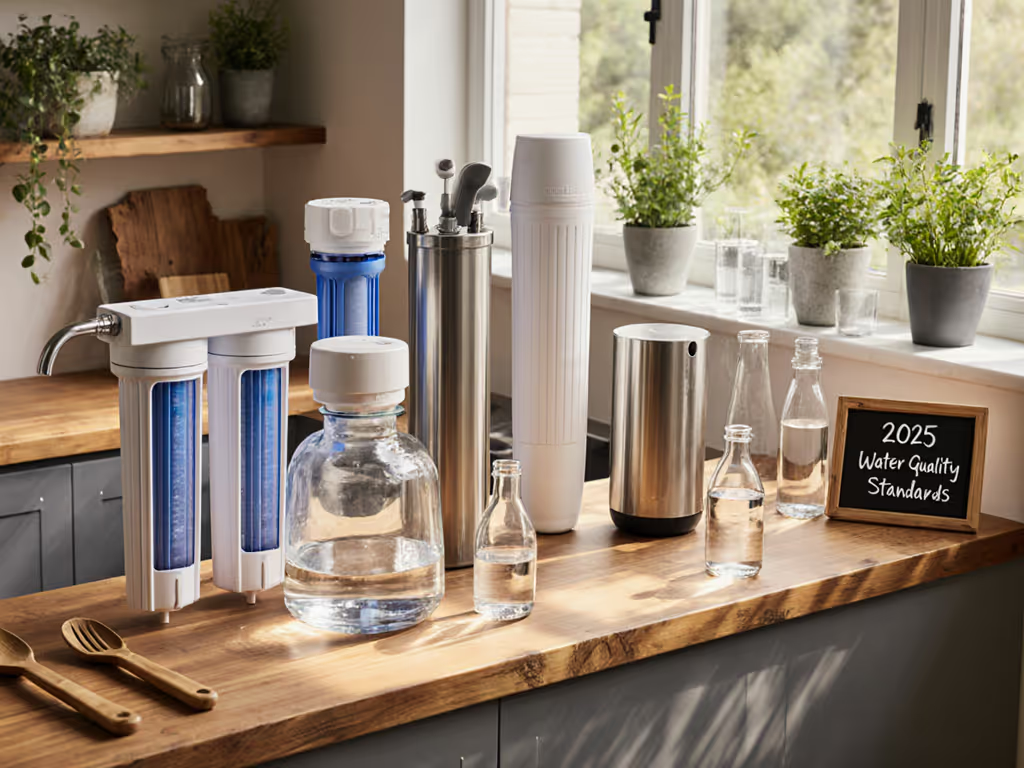
Welcome to our blog post for 2025-11-08, a practical, certification-first guide to the best low-waste water filters for homes. If you have ever wondered how much a clean glass of water really costs once you factor in replacement cartridges, wasted water, and energy, you are in the right place. This article ranks seven certified options by true cost, capacity, and waste footprint so you can choose confidently and sustainably. Throughout, we draw on Clean Water, Less Waste’s verification approach and prioritize independently tested performance so your choice is grounded in evidence, not guesswork.
Because most marketing glosses over what matters, we translate certifications, capacity ratings, and maintenance schedules into annual dollars and pounds of physical waste. We also highlight which systems suit city water versus private wells, since source water chemistry changes everything. And to help you personalize the shortlist, we weave in expert tips, case examples, and simple math you can adapt to your household. Ready to make a smart, low-waste selection you will feel good about every day?
Methodology Behind This Blog Post for 2025-11-08 Ranking
We built this ranking to answer a basic but often overlooked question: what is the total impact of a filtration choice across performance, cost, and waste. First, we prioritize certifications such as NSF/ANSI (National Sanitation Foundation/American National Standards Institute) 42 for aesthetic chlorine reduction, NSF/ANSI (National Sanitation Foundation/American National Standards Institute) 53 for health-effect contaminants like lead, NSF/ANSI (National Sanitation Foundation/American National Standards Institute) 58 for systems using Reverse Osmosis (RO), and NSF/ANSI (National Sanitation Foundation/American National Standards Institute) 401 for select emerging contaminants. For a deeper dive into RO-specific standards, see our NSF 58 for reverse osmosis guide. For microbiological performance, we note whether a product is tested to NSF/ANSI (National Sanitation Foundation/American National Standards Institute) P231, a rigorous protocol for pathogen reduction.
Second, we estimate annual “true cost” using typical retail pricing, amortizing system hardware over five years, adding cartridge replacements, and including municipal water costs for any reject water from Reverse Osmosis (RO) systems. Third, we model “waste footprint” as two parts: water rejected per gallon produced and solid waste from spent cartridges or membranes. We use conservative household assumptions: three people, about 4.5 gallons per day for drinking and cooking combined, and a common utility rate near 6 United States dollars per 1000 gallons, recognizing local variation.
- Verification first: only systems with clearly stated independent certifications were eligible.
- Household-relevant capacity: we favor models that meet family-scale needs without frequent changes.
- Waste-conscious design: we reward efficient Reverse Osmosis (RO) and cartridge formats with fewer, lighter disposals.
- Transparency: all figures below are representative estimates; always check the specific model’s data sheet.
Top 7 Certified Low-Waste Filters: Quick Comparison
Use this at-a-glance table to compare certified categories by the metrics that matter most. Values reflect typical models within each category; real units vary by brand and configuration. For clarity, “water waste ratio” indicates gallons rejected per gallon of purified water produced, which is near zero for non-Reverse Osmosis (RO) formats. We include likely certification pathways and note flagship contaminant claims when those claims are commonly certified within the category, such as lead under NSF/ANSI (National Sanitation Foundation/American National Standards Institute) 53 or Total Dissolved Solids under NSF/ANSI (National Sanitation Foundation/American National Standards Institute) 58.
Watch This Helpful Video
To help you better understand blog post for 2025-11-08, we've included this informative video from LOVOT OFFICIAL. It provides valuable insights and visual demonstrations that complement the written content.
| Rank | Filter Type (Representative Category) | Core Certifications | Typical Certified Reductions | Rated Capacity Per Change (gallons) | Water Waste Ratio | Estimated Annual True Cost (USD) | Annual Cartridge Pieces | Estimated Solid Waste (lb) |
|---|---|---|---|---|---|---|---|---|
| 1 | Tankless Reverse Osmosis (RO) With Recirculation | NSF/ANSI (National Sanitation Foundation/American National Standards Institute) 58, 42; some 53 claims | Lead, arsenic, nitrate, Total Dissolved Solids (TDS), selected PFAS (Per- and Polyfluoroalkyl Substances) when listed | 1000–1500 (prefilter set) | ≈ 1:1 | ≈ 210 | 3–4 | ≈ 1.5–2.0 |
| 2 | Under-Sink Reverse Osmosis (RO) With Permeate Pump | NSF/ANSI (National Sanitation Foundation/American National Standards Institute) 58, 42 | Lead, arsenic, nitrate, Total Dissolved Solids (TDS) | 800–1200 (prefilter set) | ≈ 1.5:1 | ≈ 205 | 4–5 | ≈ 2.0–2.5 |
| 3 | Gravity-Fed Ceramic + Carbon Block | NSF/ANSI (National Sanitation Foundation/American National Standards Institute) 42, 53; some P231 testing | Chlorine, taste/odor, lead; cyst reduction; some microbial claims when P231-tested | 1000–1500 | ≈ 0 | ≈ 120 | 2–3 | ≈ 1.5–2.0 |
| 4 | Under-Sink 0.5 Micron Carbon Block | NSF/ANSI (National Sanitation Foundation/American National Standards Institute) 42, 53 | Chlorine/chloramine (with catalytic carbon), lead, some VOC (Volatile Organic Compounds) | 600–1000 | ≈ 0 | ≈ 110 | 1–2 | ≈ 0.6–1.0 |
| 5 | Pitcher With Ion-Exchange + Carbon | NSF/ANSI (National Sanitation Foundation/American National Standards Institute) 42, 53; some 401 | Chlorine, lead, select pharmaceuticals under 401 when listed | 30–50 per cartridge | ≈ 0 | ≈ 130 | 10–15 | ≈ 2.0–3.0 |
| 6 | Countertop Ultrafiltration (UF) | NSF/ANSI (National Sanitation Foundation/American National Standards Institute) 42, 53; some P231 | Cysts and bacteria (when P231-tested), chlorine, particulates | 800–1200 | ≈ 0 | ≈ 100 | 1–2 | ≈ 0.8–1.2 |
| 7 | Inline Refrigerator Carbon Block (Lead-Certified) | NSF/ANSI (National Sanitation Foundation/American National Standards Institute) 42, 53 | Chlorine, lead, particulates | 150–300 per cartridge | ≈ 0 | ≈ 95 | 3–4 | ≈ 1.5–2.0 |
Assumptions: three-person household, about 4.5 gallons per day of drinking and cooking usage, municipal water at roughly 6 United States dollars per 1000 gallons, and five-year hardware amortization. Annual true cost includes cartridges, amortized hardware, and, for Reverse Osmosis (RO), the cost of reject water from the stated waste ratio. Solid waste is the approximate combined mass of cartridges and membranes disposed each year. Always confirm the specific model’s NSF/ANSI (National Sanitation Foundation/American National Standards Institute) listing and rated capacity.
Certifications That Matter: What NSF/ANSI (National Sanitation Foundation/American National Standards Institute) Numbers Really Mean
Certifications are your shortcut to real performance, but their scope differs. For a quick breakdown of which standards cover taste/odor vs health contaminants, read our NSF 42 vs 53 comparison. NSF/ANSI (National Sanitation Foundation/American National Standards Institute) 42 covers aesthetic improvements such as chlorine, taste, and odor reduction, plus particulate classes. NSF/ANSI (National Sanitation Foundation/American National Standards Institute) 53 is about health effects and often includes lead, some perfluorinated compounds, and certain disinfection byproducts. NSF/ANSI (National Sanitation Foundation/American National Standards Institute) 58 is specific to Reverse Osmosis (RO) systems and addresses parameters like Total Dissolved Solids (TDS) performance, materials, and structural integrity. NSF/ANSI (National Sanitation Foundation/American National Standards Institute) 401 validates reductions for select “emerging” contaminants like certain pharmaceuticals and pesticides.
For microbiological safety, look for NSF/ANSI (National Sanitation Foundation/American National Standards Institute) P231, which tests for bacteria, viruses, and protozoan cysts under controlled conditions. A unit may have multiple listings, and claims must match the exact filter used; swapping cartridges can change the certification status. Where PFAS (Per- and Polyfluoroalkyl Substances) are a concern, prefer models explicitly certified for those compounds under NSF/ANSI (National Sanitation Foundation/American National Standards Institute) 53 or validated within an NSF/ANSI (National Sanitation Foundation/American National Standards Institute) 58 Reverse Osmosis (RO) system claim. When in doubt, Clean Water, Less Waste links directly to public listings so you can verify claims rather than relying on marketing wording.
City Water vs. Well Water: Low-Waste Choices That Actually Fit Your Source

City water usually arrives disinfected and often contains chlorine or chloramine. If your municipality uses chlorine, an under-sink 0.5 micron carbon block certified to NSF/ANSI (National Sanitation Foundation/American National Standards Institute) 42 and 53 can handle taste, odor, and lead with zero reject water. If you have chloramine or a complex mix of industrial byproducts, catalytic carbon blocks and, in some cases, Reverse Osmosis (RO) offer stronger assurance. When salts, nitrate, or Total Dissolved Solids (TDS) are elevated, Reverse Osmosis (RO) is the efficient way to address them, and modern recirculating models frequently reach about a 1:1 waste ratio.
Private wells are different because disinfection is not guaranteed and chemistry varies seasonally. If iron is your main issue, see our verified iron removal systems tested for well water. Start with a test for pH, hardness, iron, manganese, nitrate, and, critically, microbial indicators; your county or a certified lab can help. If bacteria are present, combining sediment filtration with a tested microbiological barrier, such as Ultrafiltration (UF) with NSF/ANSI (National Sanitation Foundation/American National Standards Institute) P231 performance or Ultraviolet (UV) disinfection, can be appropriate. For nitrate or arsenic, Reverse Osmosis (RO) is often the right tool, and pairing it with a prefilter tailored to your iron or manganese level helps protect membranes and minimize waste. Clean Water, Less Waste provides guides for various water sources, including well water, so you can map test results to a certified, low-waste configuration without trial and error.
True Cost and Waste Footprint: From Math to Meaning
True cost is not just the sticker price; it is the sum of amortized hardware, routine cartridges, and any reject water. For brand-by-brand swap schedules and pricing, use our filter replacement cost breakdown. Consider a three-person family using about 1640 gallons of drinking and cooking water per year. With a 1:1 Reverse Osmosis (RO) waste ratio and a typical utility rate near 0.006 United States dollars per gallon, reject water adds roughly 10 United States dollars annually. That is modest in dollars but meaningful in drought-prone regions, which is why we also track the volume of water not reaching your glass and the physical mass you throw away in cartridges.
To make the math concrete, the table below compares three common paths using consistent assumptions. The “annual treated water” column fixes demand at roughly 1640 gallons; systems falling short would require extra cartridges to meet that demand. If you prefer a visual, imagine a simple flow diagram: source water enters, some is diverted to drain (Reverse Osmosis (RO) only), the rest becomes finished water, and every X gallons triggers a cartridge change that adds to your solid waste footprint.
| Configuration | Annual Treated Water (gallons) | Waste Water (gallons) | Cartridges/ Membranes per Year | Solid Waste (lb) | Estimated Annual True Cost (USD) | Notes |
|---|---|---|---|---|---|---|
| Under-Sink Carbon Block (0.5 micron) | ≈ 1640 | ≈ 0 | 1–2 | ≈ 0.6–1.0 | ≈ 110 | Certified to NSF/ANSI (National Sanitation Foundation/American National Standards Institute) 42/53 for chlorine and lead; zero water reject. |
| Tankless RO (Reverse Osmosis) With Recirculation | ≈ 1640 | ≈ 1640 | 3–4 (incl. prefilters) | ≈ 1.5–2.0 | ≈ 210 | NSF/ANSI (National Sanitation Foundation/American National Standards Institute) 58; efficient 1:1 ratio; strong for salts, nitrate, arsenic. |
| Pitcher With Ion-Exchange + Carbon | ≈ 1640 | ≈ 0 | 10–15 | ≈ 2.0–3.0 | ≈ 130 | Convenient but frequent changes; look for NSF/ANSI (National Sanitation Foundation/American National Standards Institute) 53 lead claims and 401 where applicable. |
Numbers above illustrate why fewer, higher-capacity cartridges often mean less waste and less hassle. While Reverse Osmosis (RO) raises the dollar total slightly, it may be the only practical path for nitrate, arsenic, or high Total Dissolved Solids (TDS). If your contaminants are mainly chlorine and lead, a certified carbon block can deliver excellent results with minimal solid waste and no reject water. When your water chemistry is uncertain, Clean Water, Less Waste can help you interpret lab results and translate them into a plan with the lowest practical waste footprint.
How to Use This Blog Post for 2025-11-08 to Pick Your Winner
Start with your source, not the gadget. Pull your utility’s Consumer Confidence Report or get a private well test, then circle target contaminants like lead, nitrate, arsenic, or PFAS (Per- and Polyfluoroalkyl Substances). Next, scan the comparison table for categories carrying the right NSF/ANSI (National Sanitation Foundation/American National Standards Institute) certifications and a waste profile you can live with. Finally, plug your household’s daily intake into the true-cost table to estimate cartridges per year and the real price of every gallon you drink.
- Identify contaminants: use utility reports or a certified lab test.
- Match certifications: confirm exact NSF/ANSI (National Sanitation Foundation/American National Standards Institute) listings for your needed claims.
- Check capacity and waste: prefer higher-capacity cartridges and efficient Reverse Osmosis (RO) if salts are involved.
- Model your cost: include hardware amortization, replacements, and reject water.
- Plan maintenance: fewer, scheduled changes reduce surprises and plastic waste.
Want help turning those steps into a shortlist? Clean Water, Less Waste specializes in personalized filtration recommendations, certification-backed product reviews, and side-by-side comparisons that factor in verified contaminant reduction, capacity, maintenance workload, and long-term waste footprint. Our guides for various water sources, including well water, make the path from test result to installation straightforward and low-stress.
Expert Insights and Best Practices for Lower Waste
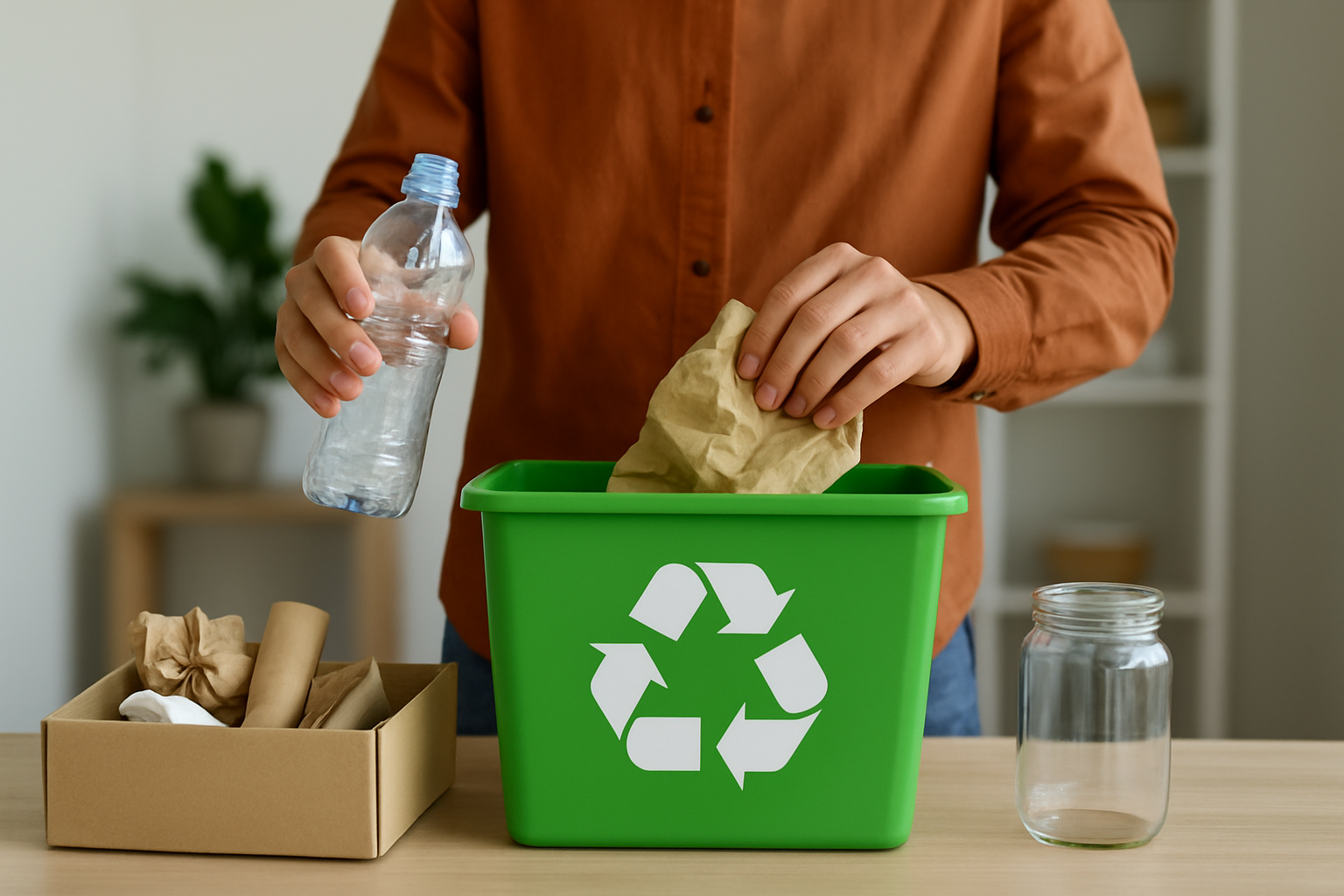
If you choose Reverse Osmosis (RO), pick an efficient design. Models with recirculation or a permeate pump can cut reject water dramatically compared with older 3:1 or 4:1 systems, sometimes reaching about 1:1 in typical homes. Protect membranes with the right prefiltration for sediment, iron, or hardness, because a fouled membrane can slash capacity and raise both cost and waste. Where dissolved contaminants are not your issue, a high-capacity carbon block with verified lead and chloramine reduction is often the lowest-waste solution.
Consider materials and end-of-life, too. Some brands offer cartridge shells designed for take-back or easy separation of plastic and media, reducing landfill impact; look for those programs and use them. Avoid unnecessary duplicate stages that add little performance but double solid waste, and right-size capacity so you are not tossing half-used cartridges. Finally, be realistic about convenience: a pitcher is handy, but 10 to 15 changes a year create more plastic waste than a single under-sink cartridge serving the same volume.
Where Clean Water, Less Waste Fits Into Your Decision
Consumers often tell us they feel stuck between bold claims and fine print. Clean Water, Less Waste solves that by anchoring every recommendation in certification listings and real maintenance math. By offering verified, certification-based performance data and personalized guidance, the website enables users to compare filters on factors like verified contaminant reduction, capacity, maintenance, and long-term waste footprint. That means you quickly see not just what works, but what will keep working with the least waste over time.
Our comparison tools spotlight National Sanitation Foundation/American National Standards Institute (NSF/ANSI) standards and clarify the differences between NSF/ANSI (National Sanitation Foundation/American National Standards Institute) 42 and 53 claims, what NSF/ANSI (National Sanitation Foundation/American National Standards Institute) 58 entails for Reverse Osmosis (RO), and when NSF/ANSI (National Sanitation Foundation/American National Standards Institute) 401 or P231 matter. You also get source-specific guidance, including city water checklists and in-depth guides for various water sources, including well water. The result is a confident, low-waste choice tailored to your actual chemistry and your actual budget.
Key takeaways at a glance
- Match contaminants to certifications first, then optimize cost and waste.
- Efficient Reverse Osmosis (RO) is excellent for salts and nitrate; carbon blocks shine for chlorine, chloramine, and lead.
- Higher-capacity cartridges and fewer changes reduce plastic waste and hassle.
- Use verified listings and avoid relying solely on unverified marketing claims.
Final Thoughts You Can Act On Today
Clean, low-waste water is achievable when you align certified performance with your source water and real-life usage. Imagine installing a system that solves your specific issues, trims plastic waste by half, and keeps your annual cost predictable for years. Which option from this list best fits your household’s pattern and values, and what would it feel like to see your choice validated by clear, third-party evidence in a blog post for 2025-11-08?
Choose Smarter with Clean Water, Less Waste
Unlock guides for various water sources, including well water, with certification-based insights and personal guidance to compare reduction, capacity, upkeep, and long-term waste footprint.
Related Articles