Car Tune Up Prices Explained: How to Save Money and Reduce Waste With Smart Maintenance Choices
By Samira Khan • 28th Oct

Water Filter Costs Explained: How to Save Money and Reduce Waste With Smart Filtration Choices
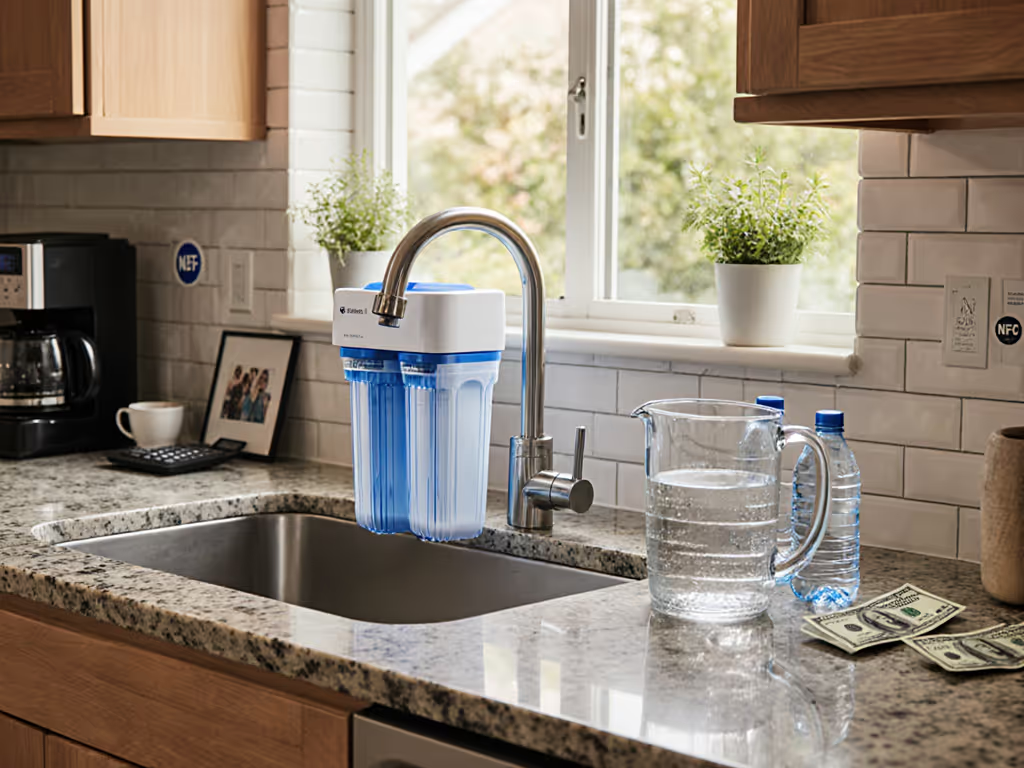
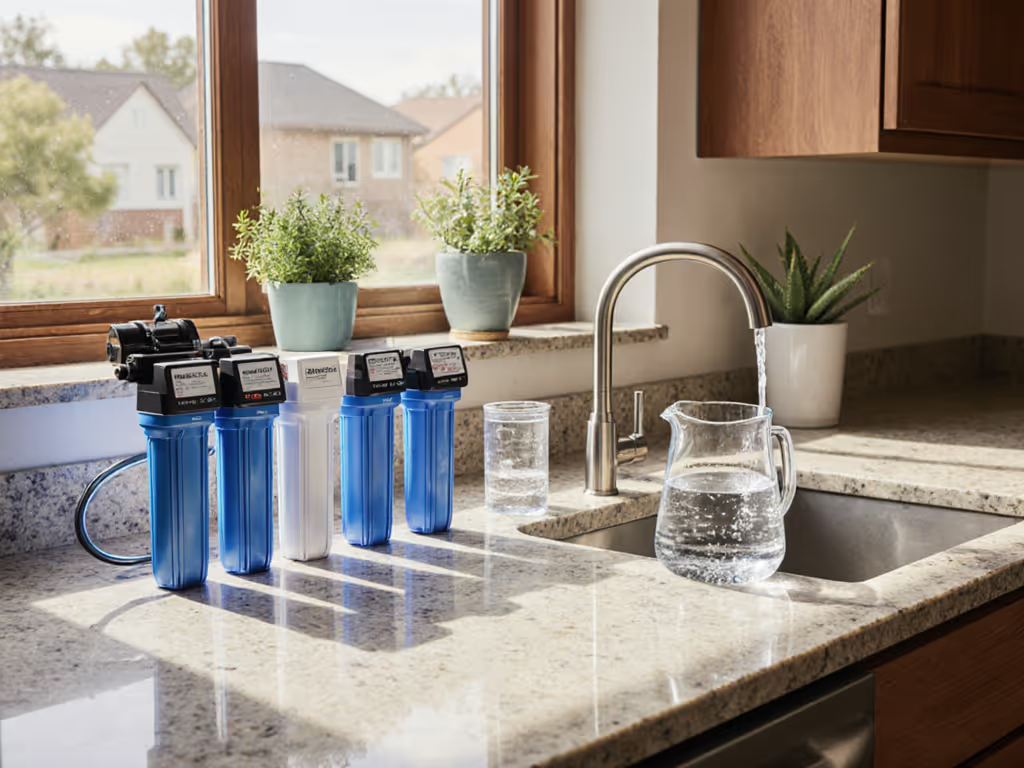
Wondering why water filter costs and replacement schedules vary so widely, and how to keep both costs and waste in check? You are not alone. Domestic water systems span simple pitcher filters to whole-house reverse osmosis and UV systems, so a “service” today can mean anything from a quick cartridge swap to a full-system sanitization and water-quality test. In this guide, you will learn what services and components matter most, how to avoid overpaying, and how a cost-and-waste mindset from Clean Water, Less Waste can help you think clearly, compare options, and act confidently.
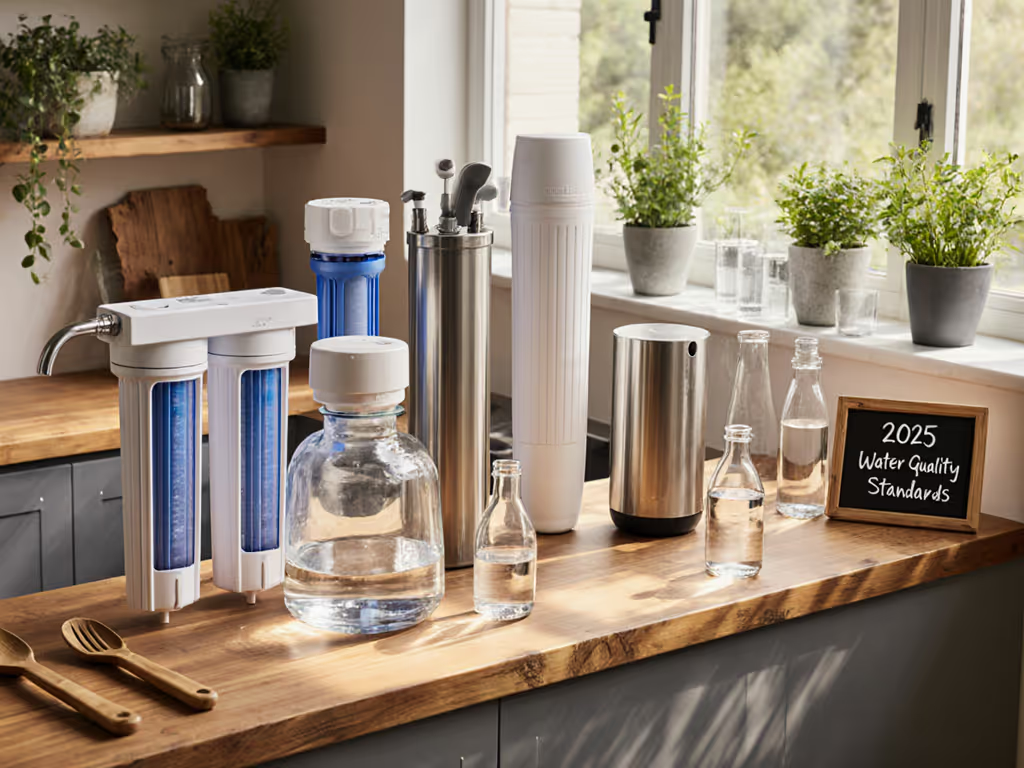
Along the way, we will show typical 2025 ranges, what actually impacts performance, and how planning around your water source, household use, and filter choices can trim landfill waste and save time. You will also see how the evidence-first approach behind certified water filtration decisions guides smarter, longer-lasting filtration choices. Ready to keep your water running clean, cut clutter under the sink, and make every dollar do more work for you?
Water Filter Costs: 2025 Ranges and What Drives Them
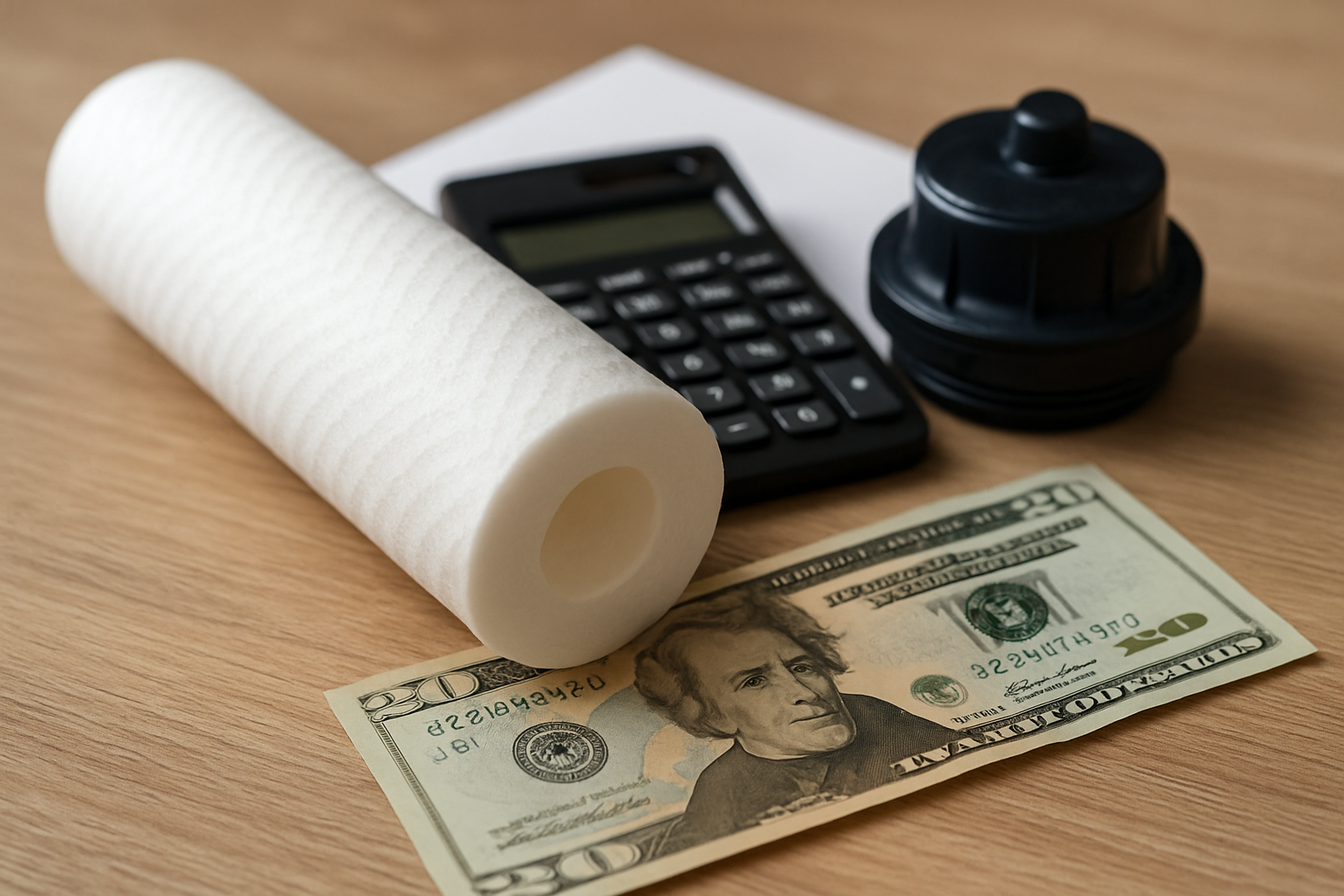
Price ranges are broad because systems, components, and labor differ significantly by region and complexity. As of early 2025, a basic cartridge replacement for a pitcher or under-sink carbon filter can start near 30 dollars for a single replacement cartridge, while a full service and membrane replacement on a residential reverse-osmosis (RO) system with professional installation may run 300 to 800 dollars. Labor rates commonly span 60 to 150 dollars per hour in metro areas for certified plumbers or installers, and component quality choices matter. High-capacity carbon blocks last longer than inexpensive granulated carbon, TFC (thin-film composite) RO membranes vary in capacity, and UV lamps require periodic replacement to maintain germicidal output.
In practice, your cost depends on scope. A “basic” service may include a water test, sediment and carbon cartridge swap, and a quick system rinse, while a “major” service layers in RO membrane replacement, sanitization, UV lamp change, and pressure regulator or pump checks. Some homes require custom fittings, booster pumps, or pre-treatment (softeners or iron filters) that add labor time and parts. If your source is a well or you live in an area with known contaminants, you may also need more frequent testing or specialized media. Asking for a line-item estimate helps you compare options accurately.
Typical 2025 Service Scope and Cost Drivers
| Service Scope | What It Includes | Typical Cost Range | Main Cost Drivers | Waste Considerations |
|---|---|---|---|---|
| Basic | Sediment/carbon cartridge swap, basic water test, visual checks | 30 to 120 dollars | Cartridge type, labor rate, access difficulty | Used cartridges, plastic housings; consider recycling programs |
| Full | Basic plus prefilter replacement, system rinse, UV lamp check | 120 to 350 dollars | Filter media quality, lamp replacement, extra sanitization time | Filters and lamps add bulk; choose higher-capacity media |
| Major | Full plus RO membrane replacement, booster pump service, full sanitization | 300 to 1,000 dollars | Membrane price, pump work, shop specialization | Membranes and housings; plan to recycle or repurpose where possible |
Two final notes keep you grounded. First, preventive maintenance often prevents larger expenses, and studies indicate removing common fouling sources and replacing clogged prefilters can restore system flow and capacity, improving effective filtration performance. Second, smarter media selection reduces both total cost and waste mass across the next few years. Choosing longer-life cartridges and higher-capacity membranes can halve replacements, much like choosing certified, higher-capacity home water filters.
What Modern Water Filtration Maintenance Includes Today
“Filter maintenance” used to mean swapping a single pitcher cartridge. Today, it is a package of water testing, cartridge and membrane replacements, sanitization, and performance verification that keeps modern systems effective and safe. Installers typically start with a water-quality test to identify contaminants and capacity needs, then verify flow rates, pressure, and the condition of prefilters and membranes. Not sure how to interpret your test results? Use our CCR interpretation guide to translate municipal water reports into actionable filtration choices. For systems treating iron, hardness, or specific organics, they may also recommend targeted pre-treatment or media regeneration to prevent fouling and extend service life.
Watch This Helpful Video
To help you better understand car tune up prices, we've included this informative video from Scotty Kilmer. It provides valuable insights and visual demonstrations that complement the written content.
Although every household is different, many modern maintenance visits consider the following components. The key is matching the work to your water source, household demand, and the system’s rated capacities. Municipal versus well water, high-sediment supplies, and seasonal changes each place different stress on components. Instead of asking, “Do I need a service?” ask, “Which components have reached the point where performance, health protection, and cost all benefit from attention?”
- Cartridge replacements (sediment, carbon, catalytic carbon) to maintain contaminant reduction and flow.
- Prefilter and postfilter checks to protect membranes and maintain taste and odor control.
- Sanitization of housings and lines, and UV lamp replacement where applicable to ensure microbial safety.
- Membrane inspection and, for RO systems, a history-based schedule for membrane replacement to sustain capacity.
- Water testing and pressure checks to confirm system performance and recommend adjustments or upgrades.
Finally, monitoring consumables matters even if it is not part of a classic “service” list. Flow rate trends, total dissolved solids (TDS) readings, and lamp life influence when to act. Using periodic test strips or professional lab analyses when you notice taste, odor, or clarity changes can reduce unnecessary part swaps while safeguarding water quality. That is both wallet-smart and landfill-friendly. For hands-off tracking and timely alerts, see how IoT water monitoring predicts filter changes.
Price Factors You Can Control
While you cannot change labor rates in your city, you can manage scope, timing, and media quality. Start by asking for a digital inspection that includes photos and test results, then approve only what aligns with certified performance and actual test results. Choosing media with the right balance of longevity and verified performance can cut total cost by 15 to 35 percent across the next two replacement cycles. In regions with higher labor, grouping tasks that share access work (for instance, cartridge swaps with a system sanitization) can save an extra hour or two of billed time.
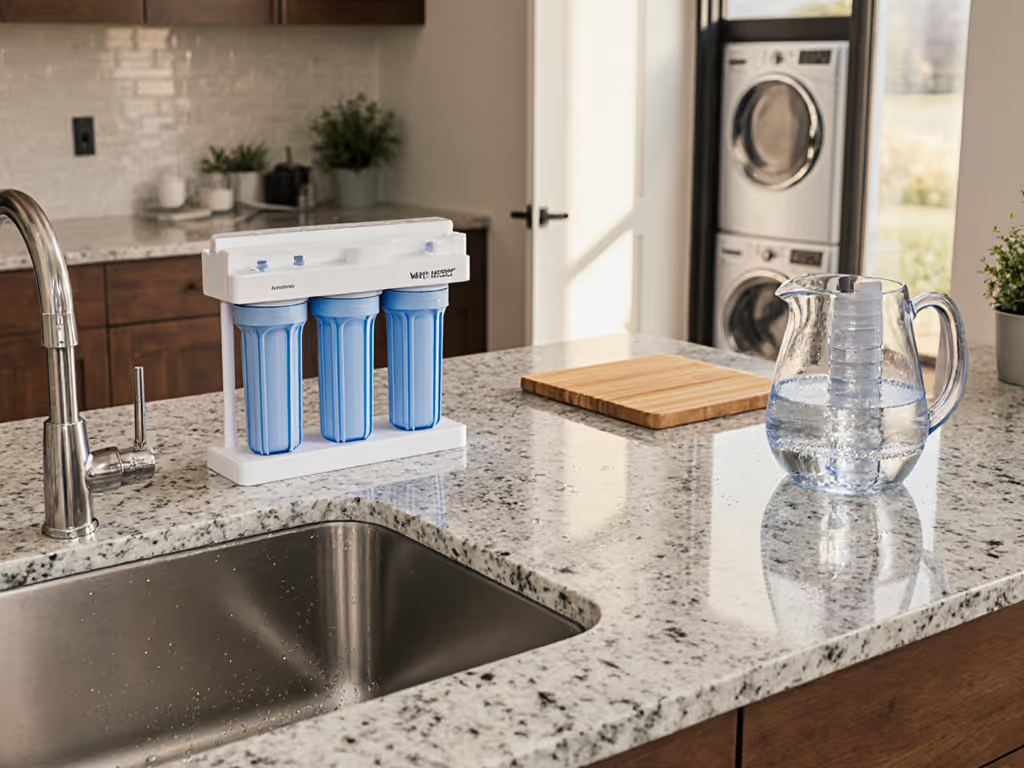
Filter choices are where cost and waste often diverge. Block carbon cartridges usually cost more but can last many months longer than granulated carbon in similar conditions, reducing replacements and packaging. Higher-capacity RO membranes can reduce the frequency of membrane swaps, and solid carbon blocks or ceramic elements may reduce disposable waste. Using manufacturer-recommended components where they matter most, and reputable aftermarket alternatives elsewhere, is a balanced strategy many installers endorse.
Provider Type vs Estimated Cost, Pros, and Waste Outcomes
| Provider | Typical Price | Pros | Cons | Waste Footprint Tips |
|---|---|---|---|---|
| Manufacturer/Authorized Service | Higher - often 20 to 40 percent above independent | Brand-trained techs, warranty-aligned parts and updates | Premium labor rate, limited part sourcing | Ask for extended-life cartridges to reduce repeat swaps |
| Independent Installer | Moderate - competitive labor, flexible parts | Good value, personalized service | Warranty terms may vary | Choose higher-capacity media to cut replacements |
| DIY [do it yourself] | Lowest - parts only, plus tool and testing investment | Full control, lower ongoing costs | Time, disposal responsibility, risk of improper installation | Plan recycling of used cartridges and proper disposal of UV lamps |
Another lever is timing. Group access-heavy jobs, such as membrane replacement and sanitization, so you pay for disassembly only once. Combine prefilter and carbon cartridge replacements in the same visit to minimize packaging and travel. And if you are close to a recommended replacement threshold for multiple components, ask your service provider to sequence work to avoid doubling labor on overlapping procedures. Smart batching reduces both invoices and waste.
Reduce Waste While You Save: Smarter Media and Intervals

Cutting waste does not mean skipping maintenance. It means matching intervals to your actual water quality and choosing components that last longer without sacrificing performance. For example, upgrading from low-capacity granular carbon to a certified block carbon cartridge may eliminate one cartridge swap over a year, trimming both replacement cost and the material footprint. Likewise, selecting a higher-capacity RO membrane can extend the time between replacements while still delivering expected contaminant reduction.
Testing and monitoring can be optimized similarly. Following manufacturer capacity ratings and periodic TDS or contaminant checks can extend useful intervals safely compared with fixed calendar rules of thumb. Many modern systems with quality prefiltration see longer membrane life under mixed use, according to installer guidance. Data also show that properly maintained filtration systems reduce contaminants and waste from bottled water reliance, a win for your budget and the environment. Compare the true impacts in our bottled vs filtered water analysis.
Life-Cycle Cost and Waste Comparison Over Typical Service Period
| Component Choice | Replacements Over Period | Estimated Parts Cost Total | Estimated Waste Mass | Notes |
|---|---|---|---|---|
| Carbon Cartridge - Low-Capacity | 4 to 6 replacements | 80 to 180 dollars | Higher - more cartridges and packaging | Shorter life, lower unit price |
| Carbon Cartridge - High-Capacity Block | 1 to 2 replacements | 100 to 220 dollars | Lower - fewer replacements | Long life offsets higher unit price |
| RO Membrane - Standard | 1 to 2 membranes | 120 to 240 dollars | Moderate - membrane housings and packaging | Replace based on capacity and TDS rise |
| RO Membrane - High-Capacity | 1 membrane | 150 to 300 dollars | Lower over time - fewer units | Check prefilters annually to protect membrane |
Disposal habits matter too. Many manufacturers and retailers accept used cartridges, membranes, and UV lamps for recycling or proper disposal, and municipalities often run household hazardous waste programs for lamps and electronics. Industry estimates note that improper disposal of certain filter components can increase microplastic or chemical leaching risks, underscoring why responsible recycling is critical. When you plan components with longevity and arrange proper disposal, your system performs better and your environmental footprint shrinks.
Step-by-Step: Build a 12-Month Filtration Plan
Clarity beats guesswork, and a simple 12-month plan protects your budget. Begin with your system manual and any certified capacity ratings, then add known issues revealed by water tests. Next, overlay your household use: number of occupants, water usage patterns, and source type. Finally, batch services by access and season so you are not paying for redundant labor or running to the store for single-item swaps.
- Quarter 1: Baseline water test, sediment prefilter check, carbon cartridge inspection and replacement if needed.
- Quarter 2: Prefilter change per capacity, UV lamp check or replacement if nearing end-of-life, system sanitization if bacterial indicators are present.
- Quarter 3: RO membrane TDS check and performance test; consider membrane replacement if TDS or capacity thresholds are met.
- Quarter 4: Comprehensive inspection before heavy-use seasons, test for seasonal contaminants, check pumps, valves, and pressure regulators.
Case in point: a 9-year-old household with a point-of-use RO system and municipal supply. Batching prefilter and carbon cartridge changes with an annual sanitization saved labor versus separate visits, while choosing a high-capacity carbon block avoided another cartridge swap for 12 months. Over the year, the household documented improved taste, lower TDS variation, and fewer component swaps. The same planning mindset helps you right-size household filter replacements to minimize cost and waste.
How Clean Water, Less Waste Helps You Think Like a Pro
What do good maintenance planning and home water filtration have in common? Both reward evidence-based decisions that weigh performance, total cost, and waste over the product’s life. Clean Water, Less Waste is built precisely around this model, helping consumers compare filters using verified data and clear explanations. When you evaluate a replacement strategy or a system upgrade, you should check specifications and credible tests; when you evaluate water filters, you deserve the same rigor with certifications, capacity, and maintenance cadence.
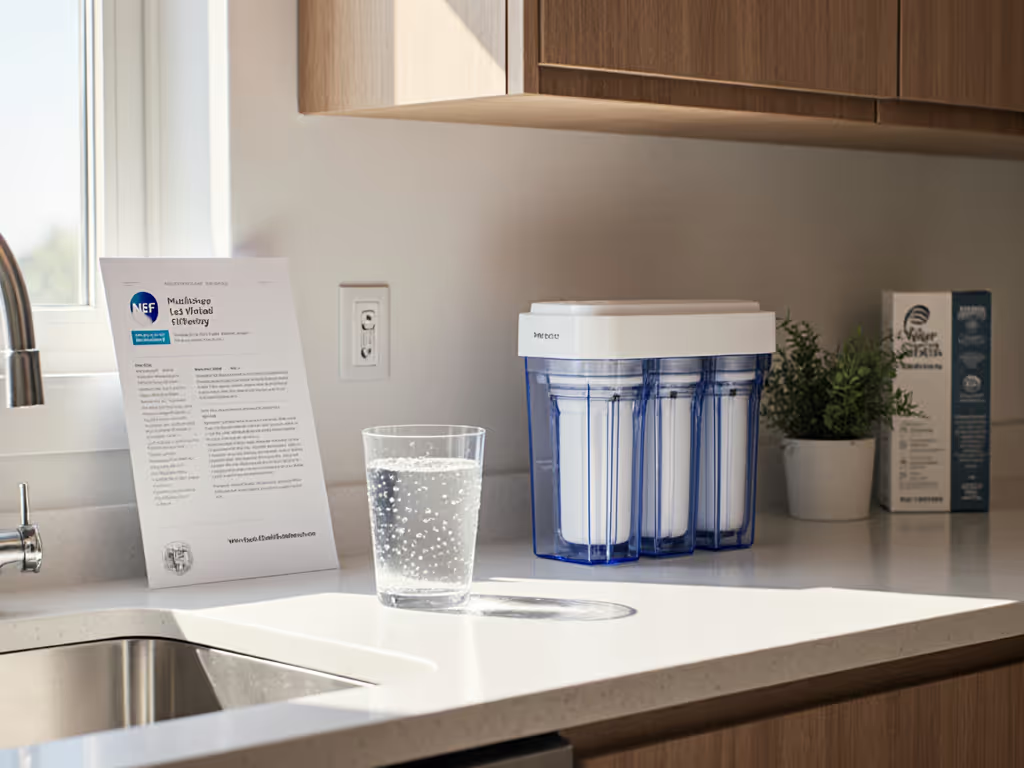
At Clean Water, Less Waste, you will find certified product reviews mapped to NSF/ANSI standards so you can decode labels with confidence. For example, NSF/ANSI 42 covers chlorine taste and odor, NSF/ANSI 53 targets health-related contaminants such as lead, and NSF/ANSI 401 addresses select emerging compounds found in some regions. There are also guides for well water, in-depth comparisons of filter capacity and replacement cadence, and explanations of how certification testing translates into real-world performance and waste implications.
Decision Framework: Equipment Maintenance vs Water Filtration
| Decision Area | Equipment Example | Filtration Example | Shared Goal |
|---|---|---|---|
| Verified Performance | Choose components with documented ratings and test data | Pick NSF/ANSI 53 certified lead reduction | Evidence over marketing |
| Capacity and Interval | Long-life components to reduce replacements | Higher-capacity cartridges to reduce swaps | Fewer changes, less waste |
| Total Cost of Ownership | Batch service visits to cut labor | Compare cost per gallon filtered and replacement cadence | Pay less over time |
| Personalization | Adjust plan for usage patterns | Personalized filtration recommendations for your contaminants | Right solution for your reality |
Consumers often struggle to identify reliable filters that address specific contaminants without inflating costs or waste. By presenting verified, certification-based performance data and personalized guidance, Clean Water, Less Waste enables you to compare options on contaminant reduction, capacity, maintenance effort, and long-term waste footprint. The same clarity that helps you navigate confusing equipment estimates gives you confidence when choosing water solutions for your home and family.
Frequently Asked Questions About Water Filter Costs
Do well owners need different maintenance than municipal-supplied homes? Yes. Well water often requires testing for bacteria, iron, manganese, hardness, and nitrate, and may require additional pre-treatment such as sediment filters, iron removal media, or softeners. Municipal supplies typically need taste and odor control and targeted contaminant removal. Test first to tailor maintenance and replacement schedules. For persistent iron staining or metallic taste in well water, see our verified iron removal systems.
Are manufacturer service plans always worth the premium? Not necessarily. Manufacturer or authorized service can be valuable for warranty-aligned work and brand-specific systems, but many independent installers perform excellent work for routine servicing at lower labor rates. The best choice is the provider that explains findings clearly, shares test results or photos, and respects your plan to balance cost and waste.
How often should I replace cartridges or membranes? Intervals vary by component and water quality. Follow manufacturer capacity ratings and verify with periodic tests (TDS, turbidity, or targeted contaminant tests). High-sediment sources may require more frequent prefilter changes, while well-maintained RO systems with proper prefiltration often see multi-year membrane life.
Which upgrades pay for themselves? Higher-capacity carbon blocks, quality prefilters, and systems with efficient waste-to-product ratios can reduce the number of replacements and decrease bottled-water purchases, often returning the premium through lower ongoing costs. UV units that reduce microbial risk or certified systems that directly target known contaminants can also provide measurable value. As with any certified water filter, paying a bit more for verified performance can cost less over the product’s life.
Smart Shopping Checklist Before You Approve Work
Before you say yes to a service or system purchase, pause and gather facts like a pro. Ask for a written estimate that lists parts brands, quantities, and labor hours per line, not just a bundle price. Request water test results and photos of installations or problematic conditions. Then compare options across two providers so you can evaluate both price and approach.
- Confirm which components are due by capacity or measured condition, not habit.
- Choose longer-life media where appropriate to reduce repeats and waste.
- Group access-heavy tasks to avoid paying for duplicated labor.
- Verify recycling and disposal practices for used cartridges, membranes, and UV lamps.
- Align timing with your calendar so maintenance is convenient and consolidated.
Finally, remember that transparency is a service in itself. Providers that share data and explain trade-offs help you make choices that fit your budget, water quality, and values. That is the same ethos Clean Water, Less Waste applies to filtration: clear standards, personalized recommendations, and a steady focus on cost and waste footprint. When you insist on clarity, you rarely overpay.
Putting It All Together: A Sample Cost Map You Can Adapt
Let us translate this into a simple cost map you can tailor. Assume a four-person household with a point-of-use RO system and a carbon block prefilter at 3 years of use. The owner chooses high-capacity carbon and a quality RO membrane, and batches work with an annual sanitization. Two estimates are gathered, and the owner selects the independent installer that provides test data and agrees to recycle eligible components.
Sample Cost Map - Point-of-Use RO System for a Four-Person Household
| Line Item | Parts | Labor Hours | Estimated Cost | Waste Note |
|---|---|---|---|---|
| High-Capacity Carbon Block Cartridge | 40 to 80 dollars | 0.2 to 0.4 | 80 to 160 dollars | Fewer replacements next year |
| Sediment Prefilter | 10 to 30 dollars | 0.1 | 25 to 50 dollars | Protects membrane longevity |
| RO Membrane - Mid Capacity | 120 to 200 dollars | 0.5 to 1.2 | 180 to 420 dollars | Check TDS before replacing |
| System Sanitization and Flow Check | - | 0.3 to 0.6 | 40 to 120 dollars | Ensures microbial safety |
| UV Lamp Replacement (if applicable) | 40 to 80 dollars | 0.2 | 60 to 120 dollars | Restores germicidal output |
| Bundled With Annual Service | - | -0.3 to -0.8 | -30 to -120 dollars | Batching saves time and trips |
This map lands around 355 to 950 dollars depending on labor rate and parts brands, and it extends time between replacements by choosing higher-capacity components. The owner also saves a trip by combining work into an annual visit, which reduces time costs and packaging waste. Swap in your system type and water quality, and you have a clear, adaptable plan that respects performance, your wallet, and the planet.
Key takeaway: Treat your home filtration like a system, just as you would any other long-lived household system. Verify performance, choose the right capacity, and plan replacements intentionally. Your water will stay safe and pleasant, and your maintenance routine will create less waste.
Conclusion
Modern water filter costs make sense once you match components to your water quality, household use, and the parts that truly move the needle. Imagine a year from now with fewer replacements, stable water quality, and a smaller waste footprint because you planned with data and chose longer-life components. Which first step will help you cut costs and clarify choices for your home filtration today, and how will you measure the impact on cost and waste?
Additional Resources
Explore these authoritative resources to dive deeper into car tune up prices.
- Tune-Up Cost Guide - How Much is a Tune-Up? - AutoZone
- How Much is a Tune Up and is it Worth the Cost? | Jiffy Lube
Turn Filtration Choices Into Savings With Clean Water, Less Waste
Use personalized filtration recommendations to match system type and household contaminants, with certified data to compare contaminant reduction, capacity, maintenance, and long-term waste footprint for your home.
Related Articles