
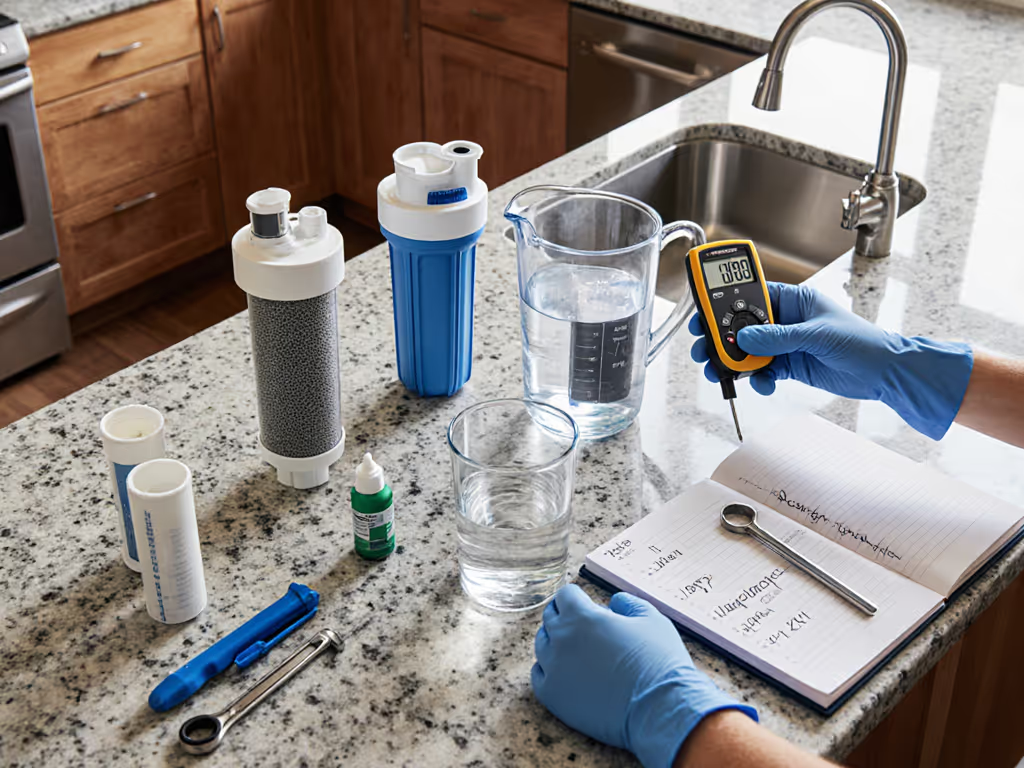
Recycle Water Filters Sustainably: Practical Steps Guide
By Nkechi Okafor • 8th Jan
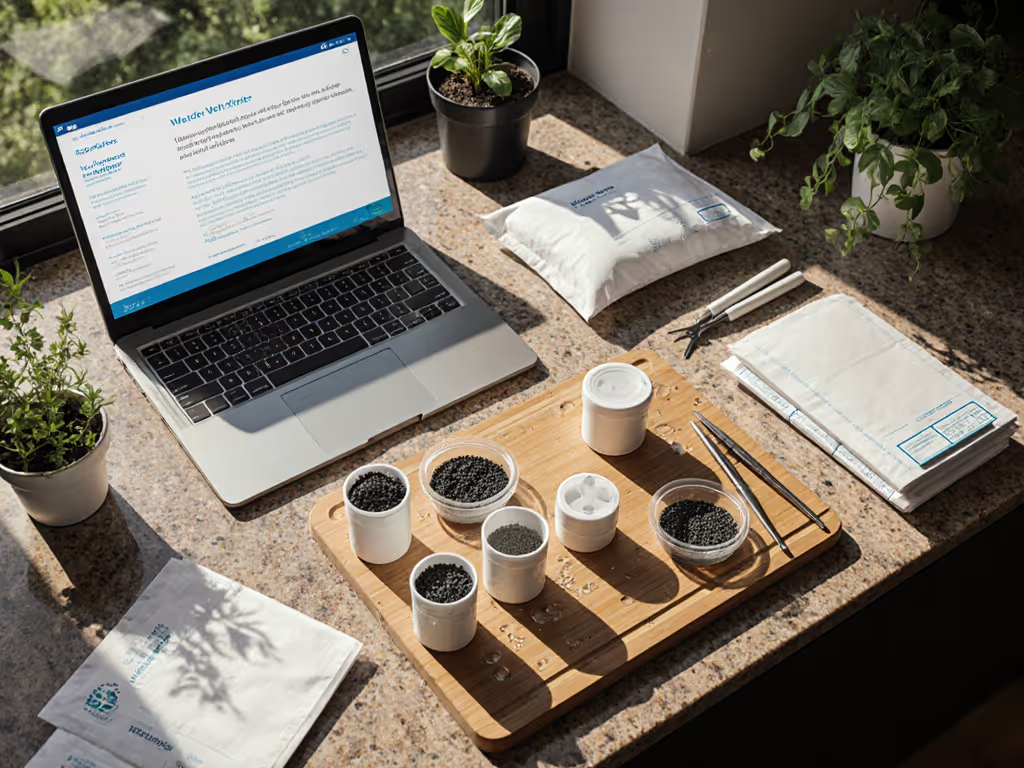
Why Proper Water Filter Recycling Matters for Environmental Stewardship
Most households now rely on some form of water filter to improve drinking water quality, but few consider what happens when it's time to replace water filter cartridges. As plastic filter waste accumulates in landfills (where many components take decades to decompose), the environmental stakes rise. To compare filter waste with single-use bottles, see our bottled vs filtered environmental analysis. Understanding sustainable filter disposal isn't just eco-conscious; it's becoming essential infrastructure for communities witnessing PFAS headlines, wildfire-related water quality shifts, and aging municipal systems. A multi-barrier mindset applies equally to filtration and the end-of-life phase of these critical protection devices. When properly addressed, filter cartridge recycling contributes significantly to reducing the 500,000+ tons of plastic waste generated annually from household water treatment systems, according to EPA estimates on specialty plastics.
I recall during a boil-water notice after flooding when neighbors asked what to do with used filters, they had just tossed them previously. We set up a calm plan: verify advisories, test first, then layer certified barriers with intent. If you need help interpreting local data, use our CCR interpretation guide. This included mapping disposal protocols alongside filtration needs. Evidence-based sequencing turned panic into practical protection, proving environmental responsibility belongs in the full protection cycle.
Frequently Asked Questions: Sustainable Water Filter Recycling
What happens to water filters when they're thrown away?
Conventional disposal of plastic filter housings and media creates multiple environmental concerns. Most water filters contain mixed materials: polypropylene housings, activated carbon media (often coconut-shell based), ion-exchange resins, and sometimes ceramic or silver nanoparticles. These complex material combinations make them incompatible with standard municipal recycling streams. When buried in landfills, synthetic components may take 500+ years to break down while potentially leaching absorbed contaminants back into soil and groundwater over time. The EPA estimates that less than 9% of all plastic waste in the U.S. gets properly recycled, with specialty items like water filters falling well below that rate due to material complexity.
Which types of water filters can be recycled?
Different filter types have varying recycling pathways:
-
Pitcher and faucet filters: Brands like Brita have partnered with TerraCycle for free recycling programs (though as of late 2022, many have waiting lists due to high demand)
-
Refrigerator filters: Whirlpool's Refresh & Recycle program accepts any brand for a small fee; each recycled filter gets transformed into concrete aggregate
-
Under-sink and whole-house filters: Fewer dedicated programs exist, though some manufacturers accept their specific models
-
Reverse osmosis systems: Complex due to multiple stages and membrane materials; TerraCycle accepts some brands
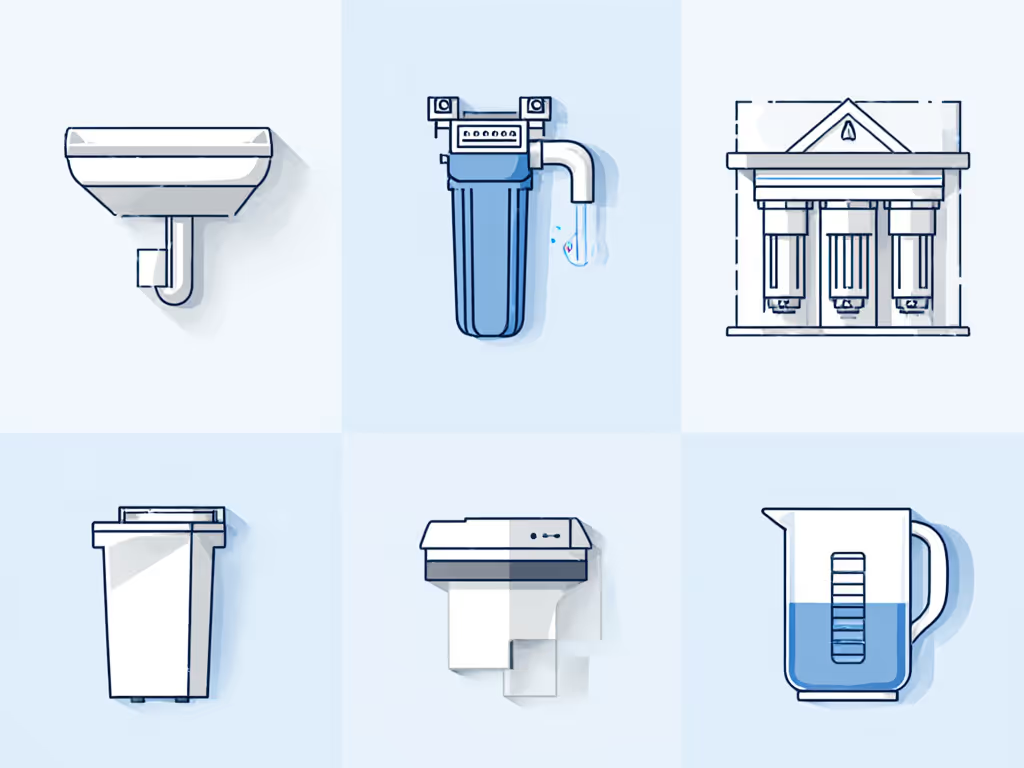
Always check your filter's specific model number before disposal, as many programs are brand-specific due to material composition differences. According to NSF International's guidelines on sustainable water treatment, "Material compatibility is the primary barrier to recycling water treatment components at scale."
How do manufacturer recycling programs actually work?
Leading programs follow a three-phase process:
- Preparation: Dry filters for several days to prevent microbial growth during shipping (critical for activated carbon filters that may harbor bacteria)
- Packaging: Manufacturers typically provide prepaid shipping labels or specialized containers
- Material recovery: Facilities separate components, plastic housings get pelletized for reuse; carbon media may be reactivated or used in industrial applications
ZeroWater's program requires sending two or more filters to receive a discount coupon and returns material to their proprietary recycling stream. Third-party processors like g2 revolution (partnering with Whirlpool) transform plastics into "second life" products including industrial materials. These closed-loop systems vary significantly in transparency. Always request their material recovery rate documentation to verify environmental claims.
What community recycling options exist beyond manufacturer programs?
Some municipalities have developed specialized collection:
- In-store drop-off points at retailers like Sainsbury's (UK) and Robert Dyas accept Brita filters
- Certain municipal recycling centers accept specific brands through hazardous waste programs
- Community collection events organized by environmental groups during Earth Month or America Recycles Day
Check with your local solid waste authority, as availability varies significantly by region. The EPA's Sustainable Materials Management program tracks specialty item recycling options by ZIP code.
However, municipal acceptance remains limited. A 2023 Water Environment Federation survey found only 28% of U.S. communities accept water filters through standard recycling channels. Always call ahead, since many centers mistakenly believe they can process these specialty items.
What about "compostable" or "biodegradable" filter claims?
Several emerging brands market partial compostability, but these require careful evaluation. TAPP Water claims their filters "can be disposed of with organic waste," while FIL2R suggests home composting for activated carbon components. However, major concerns exist:
- Filters absorb contaminants like lead, PFAS, and heavy metals, adding them to compost introduces these into soil
- Most "biodegradable" claims apply only to the carbon media, not the plastic housing
- Industrial composting facilities (required for many certified compostable products) aren't widely available
The FTC's Green Guides caution against unverified biodegradability claims, noting that "disintegration under undefined conditions doesn't constitute true biodegradation in real-world environments." Until verified testing confirms complete contaminant removal during decomposition, traditional recycling remains the more evidence-based choice for sustainable filter disposal.
How can I evaluate if a recycling program is truly sustainable?
Apply these verification criteria:
- Material recovery rate: What percentage actually gets reused? (Look for 80%+)
- Energy footprint: Does transportation outweigh benefits? (Local drop-off beats long-distance shipping)
- Downstream use: Are materials made into comparable-value products? (Concrete aggregate beats plastic lumber)
- Transparency: Can they provide third-party verification of their process?
Programs that publish annual sustainability reports with verified metrics (like Whirlpool's Refresh & Recycle initiative) demonstrate greater accountability than those making vague "eco-friendly" claims. For long-term planning, estimate waste and savings with our cost-per-gallon guide. The Water Quality Association's Sustainability Certification program now verifies these claims for participating manufacturers.
When does recycling make sense versus other sustainable approaches?
Not all situations warrant recycling as the primary solution. Consider these alternatives:
- Longer-life filters: Some under-sink systems reduce waste through 12-24 month cartridges
- Refillable designs: Brands like Clearly Filtered offer reusable housings with replaceable media
- Multi-stage systems: Allow targeted replacement of only contaminated stages
- Water conservation: Reduce overall filter usage through mindful consumption
The optimal strategy depends on your specific water quality needs, hence the importance of testing first. A household with high sediment might prioritize pre-filter longevity over recycling convenience, while a PFAS-affected community needs frequent specialized cartridge changes with certified disposal pathways. This layered approach reflects the multi-barrier mindset necessary for holistic water protection.
Moving Forward with Evidence-Based Action
Filter cartridge recycling represents one component of sustainable water stewardship, not an endpoint. As new materials science advances, we're seeing promising developments in reusable ceramic housings and activated carbon regeneration technologies that could transform the industry's waste profile. Until then, verify your options through data rather than marketing claims. Our filter performance decay tests show when media nears contaminant breakthrough so you can replace responsibly. The EPA's Consumer Guide to Home Water Treatment (updated 2025) provides the latest verified recycling pathways by filter type and region.
For those establishing new filtration systems, consider waste metrics alongside performance: inquire about recycling partnerships during your vendor selection process, and prioritize systems with documented end-of-life management. When navigating boil notices or contamination events, remember that emergency protection and environmental responsibility aren't mutually exclusive, both require the same evidence-based sequencing that makes for effective water safety.
Related Articles
Water Filter Subscriptions: Cost, Convenience & Flexibility Compared
Decide if a filter subscription truly pays off by mapping your water profile, verifying NSF/ANSI certifications, and calculating real per-gallon cost from certified capacity. Avoid common traps and use flexible, usage-based delivery only when it clearly saves money and waste.
Water Filter Troubleshooting: Practical Maintenance Fixes
Troubleshoot water filters with data, not guesswork by mapping contaminants and choosing certified solutions. Use simple checks and calculations to fix low pressure, prevent leaks, set accurate replacement intervals, and verify results and cost per gallon.